A World Cup Under Strain: As the 2026 Tournament Nears, Questions Grow Beyond the Pitch
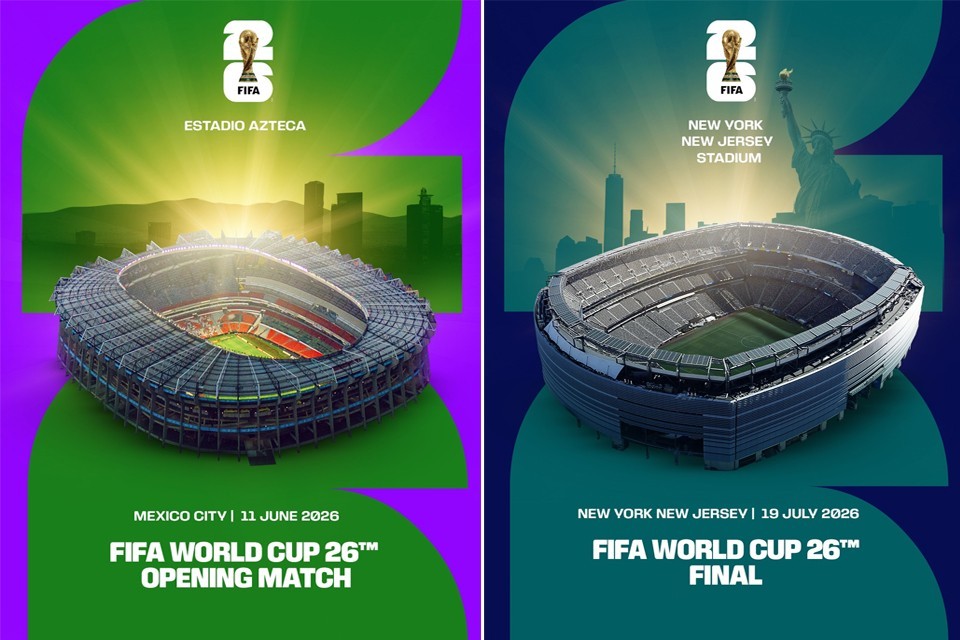
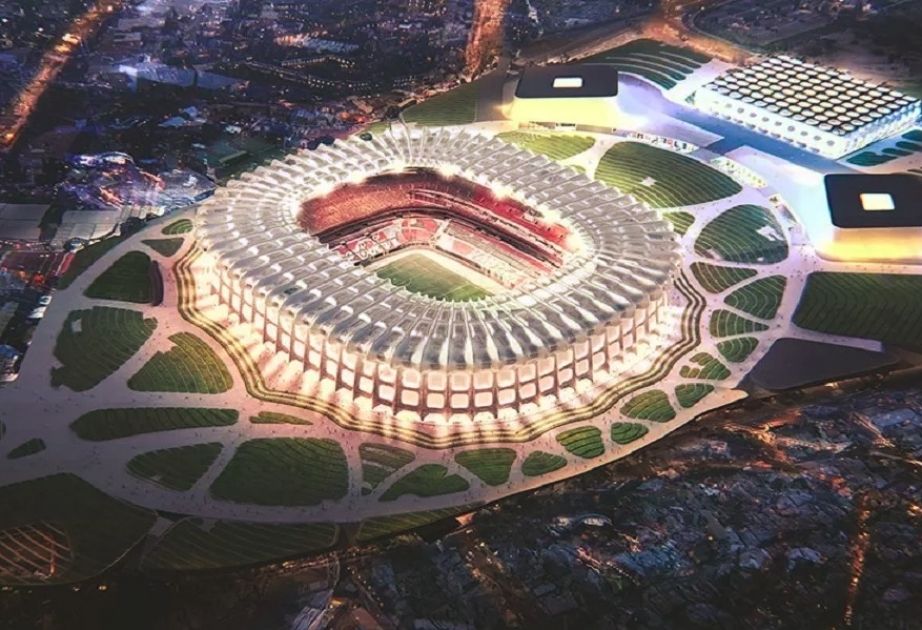

The countdown clock is rapidly approaching zero.
In just days, the 2026 FIFA World Cup will begin across the United States, Mexico and Canada, marking the largest tournament in football history. Forty-eight nations. One hundred and four matches. Three host countries. Millions of expected visitors. (FIFA)
For years, organizers described the event as a celebration of international unity and a showcase of North American logistical capability.
Yet as kickoff approaches, a series of disruptions has cast a shadow over those ambitions.
What was supposed to be a triumphant buildup has instead become a test of preparedness.
The concerns extend beyond football itself.
Visa delays, travel restrictions, public-health controversies, uncertain attendance forecasts, and questions surrounding the host nation’s coaching situation have combined to create an atmosphere of unease at precisely the moment FIFA hoped anticipation would be peaking.
The issues are not necessarily catastrophic.
The tournament will almost certainly proceed as scheduled.
But the growing list of complications raises a deeper question: Is the largest World Cup ever being staged on foundations that are less stable than advertised?
For many observers, the first warning sign emerged in South Africa.
The national team, Bafana Bafana, was scheduled to depart Johannesburg for its World Cup preparations before the opening match.
Instead, players and officials found themselves stranded at the airport.
A visa-processing problem delayed the team’s departure by an entire day, forcing officials into emergency consultations and drawing public criticism from South Africa’s sports minister. Reuters reported that several staff members were still awaiting documentation as preparations were disrupted. (Reuters)
The consequences were not merely symbolic.
South Africa’s training base in Mexico sits at a significant altitude.
Every lost day reduces the amount of time available for players to acclimatize physically before entering competition.
In elite sport, such margins matter.
A single day can influence recovery schedules, tactical preparation, and physiological adaptation.
The incident also exposed a broader concern.
If a national team supported by government officials, football administrators and diplomatic channels can encounter travel obstacles, many supporters naturally wonder what ordinary fans may face.
For international spectators, the World Cup experience begins long before entering a stadium.
It begins with obtaining permission to travel.
And in recent months, immigration and visa procedures have become a recurring topic of discussion among supporters planning journeys to North America.
The Congo Dilemma
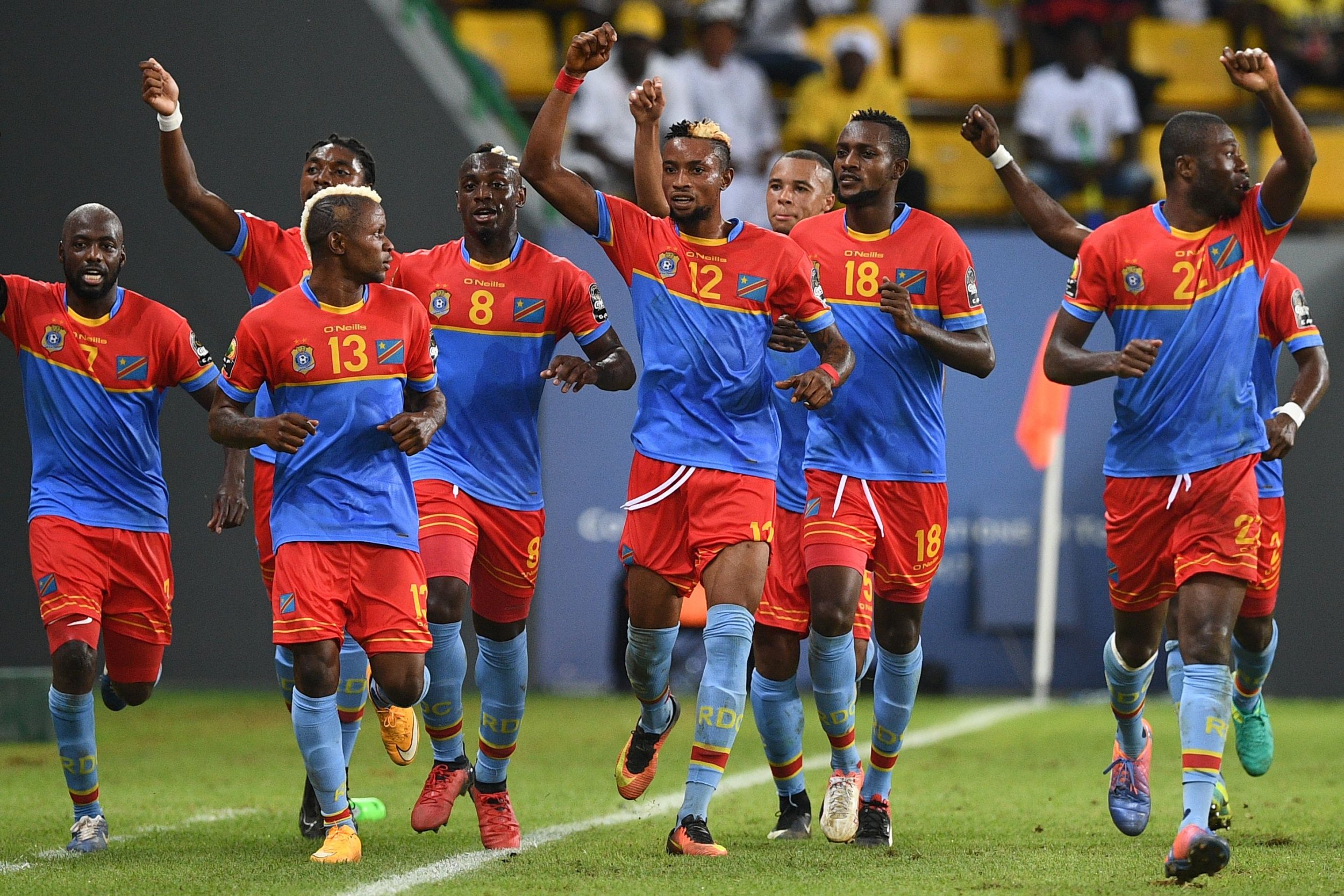
The situation involving the Democratic Republic of Congo illustrates a different challenge.
The country’s qualification for the World Cup represented one of the most emotional sporting achievements in its recent history.
For many Congolese supporters, the tournament symbolizes national pride and international recognition.
Yet preparations have been overshadowed by health-related restrictions connected to an Ebola outbreak in eastern Congo.
Although the affected region lies far from the capital and most players compete professionally in Europe, authorities imposed strict precautions.
The result has been a prolonged isolation arrangement that significantly altered the team’s preparation plans.
Training camps were relocated.
Matches were canceled.
Travel schedules were rewritten.
The controversy deepened when a planned friendly match in Spain was reportedly blocked amid public-health concerns.
Football teams routinely adapt to unexpected circumstances.
But such disruptions become more difficult when they occur only weeks before a World Cup.
For players, coaches and supporters, uncertainty can be as damaging as the restrictions themselves.
The episode highlights a central reality of modern mega-events.
Sport no longer exists separately from politics, health policy, border management and public perception.
Each decision made outside football inevitably shapes what happens inside it.
A Host Nation Seeking Stability


At the same time, attention has increasingly focused on the United States men’s national team.
The appointment of Mauricio Pochettino was intended to signal ambition.
The former Tottenham Hotspur, Paris Saint-Germain and Chelsea manager arrived with a reputation as one of football’s most recognizable coaches.
His task was clear: guide the United States through a home World Cup and elevate expectations for the program.
Yet recent reports linking him to club opportunities in Europe have generated debate.
Pochettino has acknowledged that discussions involving representatives and clubs are a normal part of professional football, while emphasizing that his focus remains on the World Cup campaign.
Still, the timing has fueled questions.
A host nation generally hopes to project unity and momentum entering a tournament.
Instead, conversations have shifted toward what might happen after the competition ends.
Whether those concerns are justified or overstated, they have become part of the broader narrative surrounding the event.
And narratives matter.
World Cups are not simply sporting competitions.
They are global spectacles shaped by perception.
The Challenge of Expectations
The 2026 tournament was always going to be different.
With 48 teams and 104 matches, FIFA dramatically expanded the scale of the event. (FIFA)
Expansion brings opportunity.
It also brings risk.
More teams require more travel.
More venues require more coordination.
More supporters require more infrastructure.
The margin for administrative error becomes smaller as complexity increases.
This is particularly true across three countries separated by thousands of miles.
The logistical challenge facing organizers is unprecedented.
No previous World Cup has attempted something on this scale.
Supporters may marvel at the geographic reach of the tournament.
Operations managers likely see a map filled with potential complications.
Transportation networks must function smoothly.
Security systems must coordinate across jurisdictions.
Immigration processes must remain efficient.
Every component depends on countless others.
One breakdown can ripple through the system.
The Economics of Enthusiasm
Organizers continue to predict enormous economic benefits.
Yet questions persist regarding attendance and tourism.
International travel patterns remain uneven.
Ticket prices for premium matches have attracted criticism from some supporters.
Hotels in several host cities have reportedly experienced booking patterns that differ from the expectations many analysts projected during the bidding process.
None of this necessarily signals failure.
The World Cup remains one of the world’s most powerful sporting brands.
Millions will watch.
Hundreds of thousands will travel.
Stadiums will be filled for many marquee fixtures.
Yet there is a growing difference between what organizers initially promised and what some observers now expect.
The tournament may still succeed.
It simply may not achieve every forecast that accompanied its launch.
A Showcase and a Test
The 2026 World Cup is about far more than football.
For the United States, Mexico and Canada, it represents a chance to demonstrate organizational capability before a global audience.
For FIFA, it is an experiment in scale.
For supporters, it is a celebration of a game that transcends borders.
Those ambitions remain intact.
But the weeks leading up to kickoff have revealed how fragile such ambitions can be.
A delayed visa.
A canceled friendly.
A disputed health protocol.
A coaching rumor.
Individually, each story appears manageable.
Collectively, they tell a more complicated tale.
They suggest that the world’s largest sporting event is arriving amid uncertainty rather than confidence.
And perhaps that is the defining story of this World Cup before a single ball has been kicked.
The tournament will begin.
The stadium lights will come on.
The crowds will sing.
The matches will produce heroes and heartbreak.
Yet beneath the spectacle lies a quieter question that organizers will spend the next six weeks trying to answer:
Can the biggest World Cup ever staged deliver an experience equal to the promises that built it?
The world is about to find out.