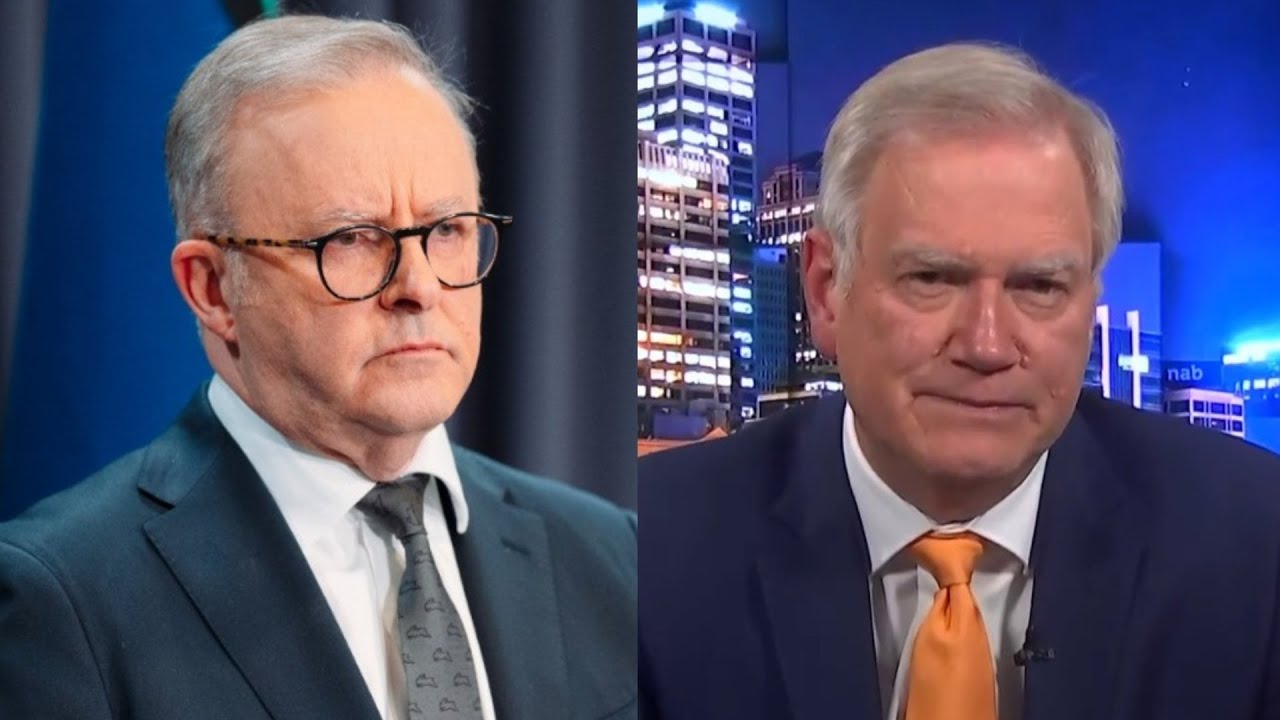
A fierce political storm has broken out in Australia after Sky News commentary accused the Albanese government of pursuing aggressive tax reforms while failing to properly define who will be affected by its proposed capital gains changes.
The debate has escalated into a broader ideological clash over taxation, spending, and the future direction of the Australian economy.
Critics argue the government is shifting toward a “high-tax, high-spend” model without adequately considering the impact on investment, small business confidence, and long-term economic growth.
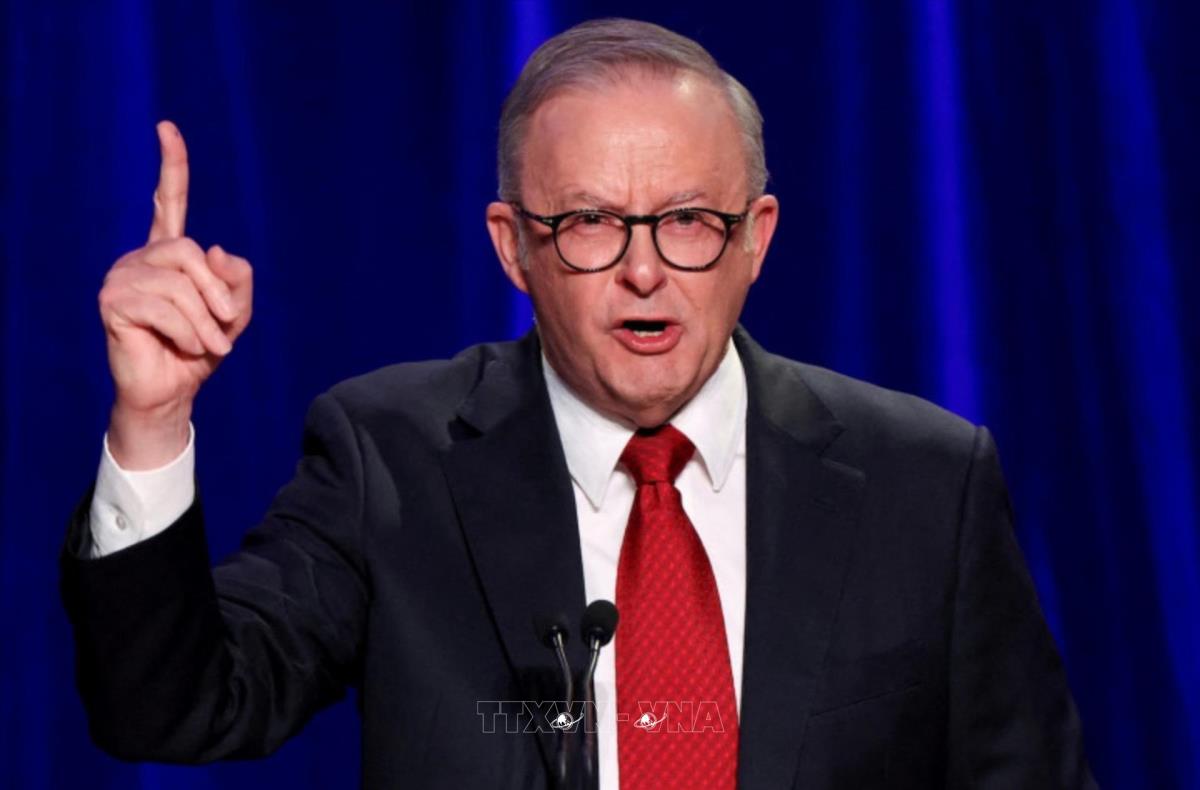
The controversy intensified after comparisons were drawn with political debates in the United Kingdom, where former Prime Minister Tony Blair reportedly warned against unsustainable public spending trends.
Supporters of the reform, however, insist the changes are part of a broader effort to modernise the tax system and ensure fairer alignment between income earned from wages and income generated from assets.
Government representatives have argued that taxation should reflect economic realities and help fund essential public services.
But opponents say this approach ignores a fundamental difference between wages and capital gains, claiming that investment risk is being unfairly penalised.
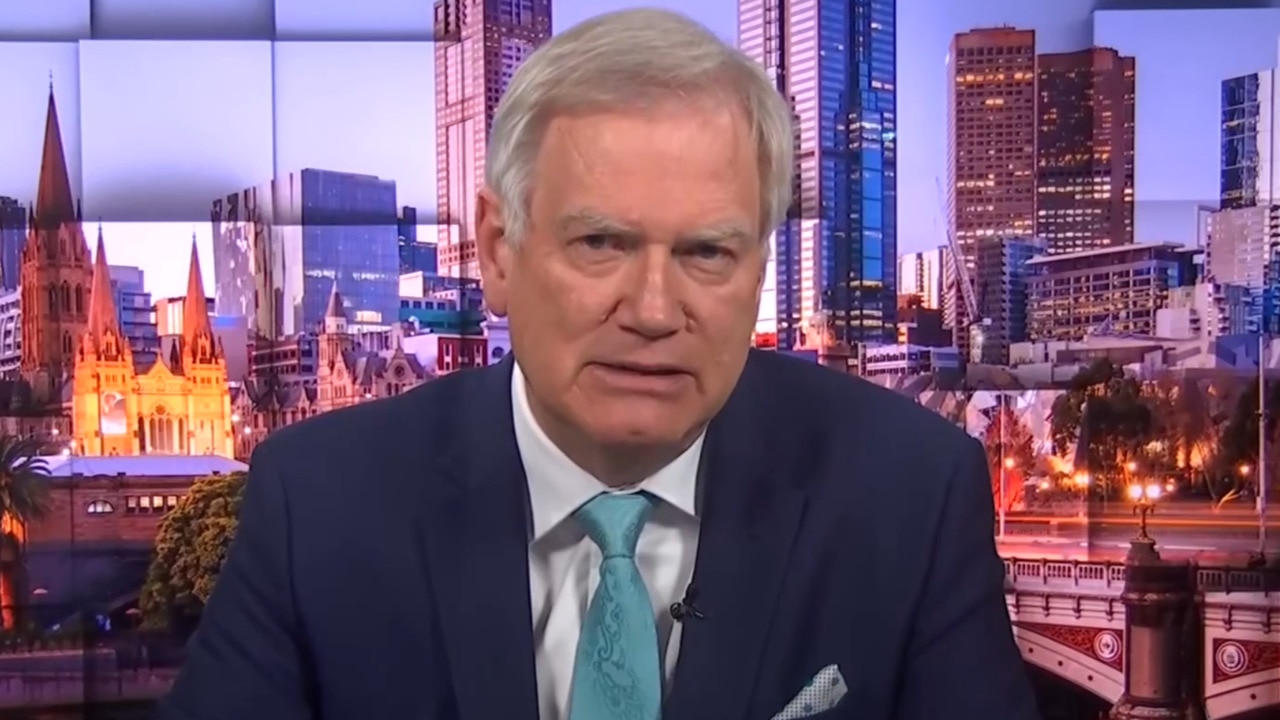
They argue that entrepreneurs and small business owners take on financial uncertainty and could be discouraged if tax burdens increase further.
One major concern raised during the debate is the potential impact on innovation and business formation, with critics warning that excessive taxation could slow economic growth and reduce future productivity.
At the same time, regional leaders have also entered the discussion, with some expressing concern that investment-heavy sectors, particularly in resource-rich states, could be negatively affected by policy uncertainty.
Western Australian Premier Roger Cook has previously highlighted the importance of maintaining investor confidence in major projects and exploration activity, warning against unintended consequences of tax reform.
The political argument has also focused heavily on the way the legislation is being introduced.
Opposition figures have accused the government of rushing complex tax changes into Parliament without clearly specifying all affected groups, particularly in relation to small and startup businesses.
They argue that key technical details appear to be left for later consultation, creating uncertainty in the meantime.
Government representatives have responded that consultation is ongoing and that further refinement of the legislation will follow engagement with stakeholders.
However, critics describe this approach as “policy first, details later,” claiming it undermines transparency and accountability.
The inclusion of unrelated measures, such as tax offsets for individual taxpayers, has also become a point of contention, with opponents arguing it may be used to frame the legislation as a trade-off between tax cuts and controversial reforms.
This framing has intensified accusations that the bill is being used for political positioning rather than straightforward economic reform.
Opposition leaders have gone further, accusing the government of avoiding a direct electoral mandate for the changes and instead pushing them through Parliament as part of broader fiscal legislation.
They claim this approach limits public scrutiny over one of the most significant tax adjustments in recent years.
Government ministers, meanwhile, insist that Australians have re-elected the current administration and therefore endorsed its overall policy direction.
They argue that public trust has been placed in the government to manage economic challenges and make decisions in the national interest.
But critics strongly reject this interpretation, saying recent elections did not specifically mandate the proposed capital gains reforms.
The debate has since widened into a broader discussion about trust in political leadership, with both sides accusing each other of misleading the public.
Supporters of the government say the reforms are necessary to stabilise revenue and fund essential services amid rising fiscal pressures.
Opponents counter that increasing taxation on investment risks slowing economic growth at a time when productivity is already under strain.
Economic commentators warn that the clash reflects a deeper ideological divide over whether Australia should prioritise redistribution or investment-led growth.
At the centre of the dispute is a fundamental question: how should a modern economy balance taxation between labour, capital, and long-term risk-taking?
As Parliament continues to debate the legislation, both sides appear entrenched in their positions, with neither showing signs of compromise.
For now, the controversy continues to build momentum — and the political stakes surrounding the tax overhaul are only rising.
And as the argument intensifies, one question is becoming impossible to ignore… is this the beginning of Australia’s biggest economic policy battle in a generation? 🔥






