Australia’s immigration debate has exploded again after comments from Immigration Minister Tony Burke triggered fierce national backlash over citizenship, housing, and the future direction of the country. What was intended as a defense of Australia’s migration system has instead intensified public anger during one of the worst housing and cost-of-living crises in modern Australian history.
The controversy erupted after Burke told Indian media that he believes temporary visa holders who continue living and working in Australia should eventually have a pathway to citizenship rather than remain permanent guest workers. The remarks immediately ignited political debate because Australia currently has nearly three million temporary visa holders already inside the country.
For critics of the government, the comments confirmed exactly what they feared: that Labor has no intention of slowing immigration in any meaningful way despite growing public frustration over housing shortages, infrastructure pressure, rising rents, and falling living standards.
Burke framed his argument around democratic inclusion.
He said Australia should not adopt systems used in some countries where migrant workers contribute economically for years without ever becoming full citizens. According to Burke, people who build their lives in Australia deserve the opportunity to become part of the nation permanently and participate fully in democratic society.
Supporters of the minister argue that his comments reflect traditional Australian values of integration and citizenship rather than temporary labor exploitation. They believe migrants who contribute to the economy, pay taxes, and build families in Australia should not remain permanently excluded from citizenship pathways.
But the political timing could hardly be worse for the government.
Millions of Australians are already struggling with soaring rents, collapsing housing affordability, overloaded roads, overcrowded public services, and increasing pressure on hospitals, schools, and infrastructure. In that environment, any suggestion of expanding long-term migration or citizenship pathways becomes politically explosive almost instantly.
The backlash intensified further when Burke argued that immigration is actually part of the solution to Australia’s housing crisis rather than the cause of it.
That statement triggered immediate outrage across social media, talk radio, and political commentary circles.
Many Australians simply do not believe the country can continue adding enormous population growth while simultaneously trying to solve a severe housing shortage. For ordinary renters facing record prices and young families locked out of home ownership, the argument sounded disconnected from daily reality.
Critics quickly pointed to the numbers.
Since Anthony Albanese came to power, Australia has experienced one of the largest migration surges in its history. Around 2.5 million arrivals have entered the country under Labor, with net overseas migration estimated at roughly 1.5 million people.
At the same time, housing construction has failed to keep pace.
Rental vacancies in many cities remain critically low, home prices remain among the highest in the world relative to income, and infrastructure projects are struggling to catch up with population growth. For many Australians, the pressure feels visible everywhere: packed trains, congested roads, crowded emergency rooms, and rapidly rising living costs.
That is why Burke’s comments landed so heavily politically.
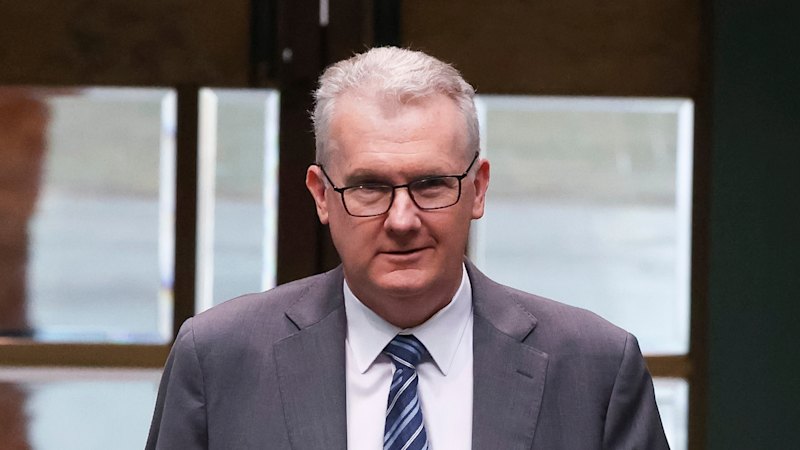
The minister argued that Australia still requires migration to function economically. He specifically pointed to healthcare, construction, and skilled labor shortages, saying the country cannot build enough homes or maintain critical services without migrant workers.
Economists partially support that argument.
Australia’s economy has long relied heavily on migration-driven growth, particularly in sectors experiencing labor shortages. Healthcare systems, universities, agriculture, construction, hospitality, and technology industries all employ large numbers of migrants and temporary visa holders.
Without migration, some analysts warn labor shortages could worsen dramatically, potentially slowing economic growth and placing even greater pressure on public finances.
However, critics argue the government is focusing too heavily on GDP growth while ignoring declining living standards per capita.
That distinction has become increasingly important politically.
Australia’s overall economy may continue expanding through population growth, but many ordinary citizens feel personally worse off despite headline economic numbers. Wages have struggled to keep up with inflation, housing affordability continues deteriorating, and younger Australians increasingly believe home ownership may never become achievable.
This growing frustration is reshaping Australian politics.
Immigration skepticism is no longer confined to fringe political movements. Concerns about population growth are spreading into mainstream suburban and regional communities that previously supported major parties without much debate over migration policy.
The government now faces a difficult balancing act.

On one side are businesses, universities, and industries demanding continued migration to fill workforce shortages and sustain economic expansion. On the other are voters demanding relief from housing pressure, infrastructure strain, and rising competition for services.
Burke attempted to address that tension by insisting migration must remain “managed” and “paced” rather than unlimited. But for many critics, those reassurances no longer feel convincing after years of historically high migration numbers.
The controversy also reflects broader changes inside Australia itself.
According to the latest Australian Bureau of Statistics data, Indian-born residents have now overtaken English-born residents as the country’s largest overseas-born population group for the first time in Australian history. That demographic shift symbolizes how dramatically Australia’s migration patterns have changed over recent decades.
Supporters celebrate that transformation as evidence of Australia’s multicultural success and global integration.
Opponents worry the pace of change is becoming too rapid for social cohesion, infrastructure planning, and national identity to absorb smoothly.
Those underlying tensions are now becoming increasingly visible politically.
Burke’s comments about citizenship ceremonies also attracted attention after he described them as among the most patriotic events in Australia. He praised the enthusiasm of migrant communities, particularly Indian Australians, during ceremonies where new citizens officially join the country.
Supporters saw the remarks as positive recognition of migrant contribution and civic participation.
Critics, however, accused the government of appearing more focused on expanding electoral demographics than addressing the concerns of existing citizens already struggling economically.
That accusation is becoming a major political vulnerability for Labor.
Opposition parties and populist movements are increasingly framing immigration as directly linked to declining affordability and overstretched infrastructure. They argue the government has prioritized population growth over national capacity planning.
Some commentators now believe immigration could become one of the defining political battlegrounds of the next federal election.
Public opinion polling already suggests growing dissatisfaction.
While many Australians still support skilled migration in principle, support declines sharply when migration levels are perceived as excessively high relative to housing availability and infrastructure readiness. The distinction between supporting immigration generally and supporting record migration levels is becoming politically crucial.
The debate is also no longer purely economic.
Questions surrounding cultural integration, national identity, social trust, and democratic representation are increasingly entering mainstream discussion. Politicians across the spectrum are struggling to address those concerns without inflaming division or accusations of racism.
That is partly why Burke specifically warned against singling out Indian migrants.
He argued highly skilled Indian migrants contribute enormously to Australia’s economy and social development. Supporters note Indian Australians are heavily represented in medicine, engineering, information technology, education, and business sectors critical to Australia’s future growth.
Yet even many Australians who support multiculturalism are beginning to question whether current migration levels are sustainable.
That complexity makes the political environment extremely volatile.
Labor now risks appearing trapped between economic realities and public anger. Reducing migration sharply could create labor shortages and economic slowdown. Maintaining high migration, however, may deepen voter frustration over housing and infrastructure.
For the opposition, the issue presents enormous political opportunity.
Parties campaigning on reduced migration, housing protection, and infrastructure pressure are already gaining traction among working-class suburban voters, younger Australians locked out of property ownership, and regional communities feeling neglected by major cities.
The immigration debate is therefore evolving into something much larger than visa policy alone.
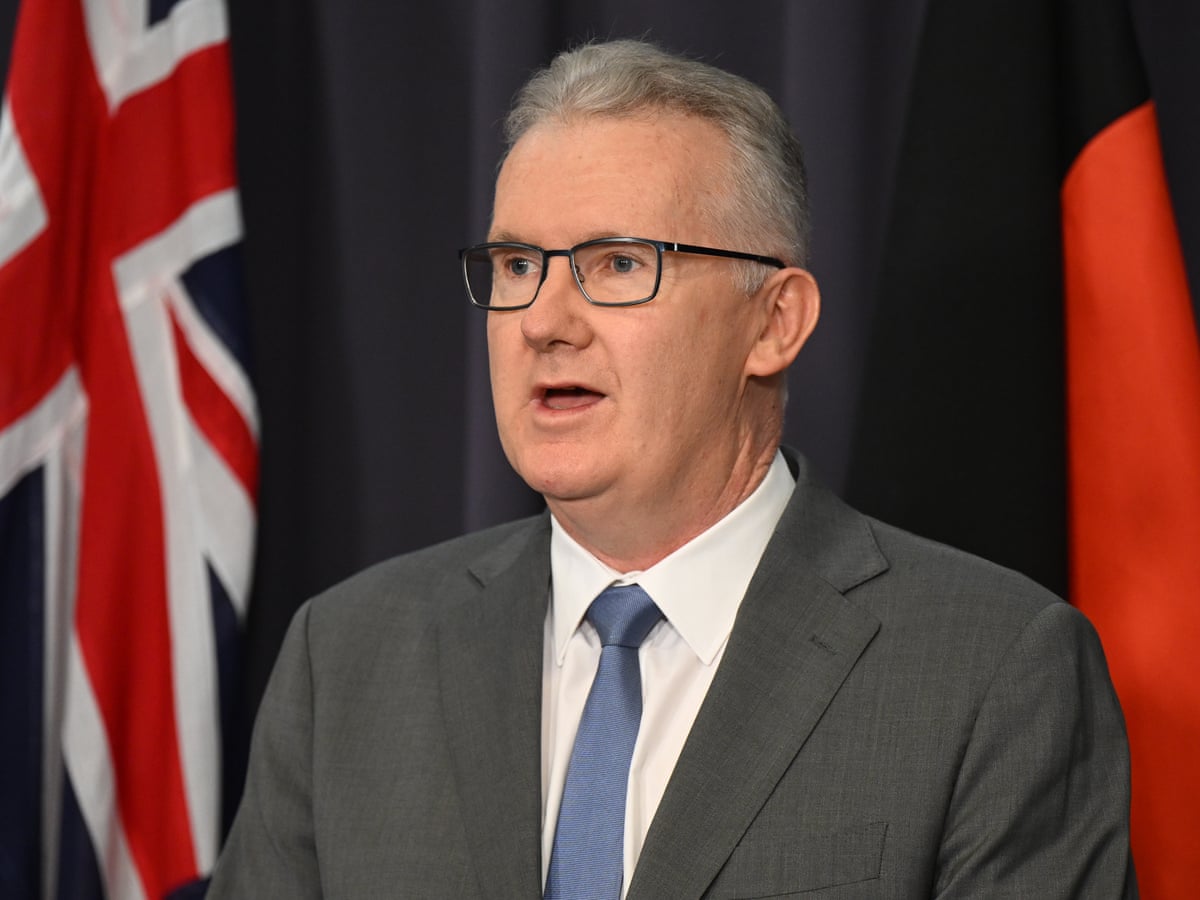
It has become a national argument about economic priorities, quality of life, infrastructure limits, cultural identity, and whether Australia’s current growth model still serves ordinary citizens effectively.
Burke insists migration remains essential for Australia’s prosperity and future workforce needs.
But for millions of Australians struggling through rising rents, collapsing affordability, and growing pressure on public services, the question becoming louder every month is far simpler:
How much more growth can the country realistically absorb before the system itself begins to break under the strain?