Joe Kent, the director of the National Counterterrorism Center (NCTC), announced his resignation on March 17, 2026, marking the highest-profile departure from the Trump administration tied to disagreements over the ongoing U.S.-Israeli military operations against Iran. Kent, a former Army Ranger, CIA paramilitary officer, and staunch supporter of President Donald Trump during his campaigns, cited his inability to endorse the conflict in good conscience as the primary reason for his exit.
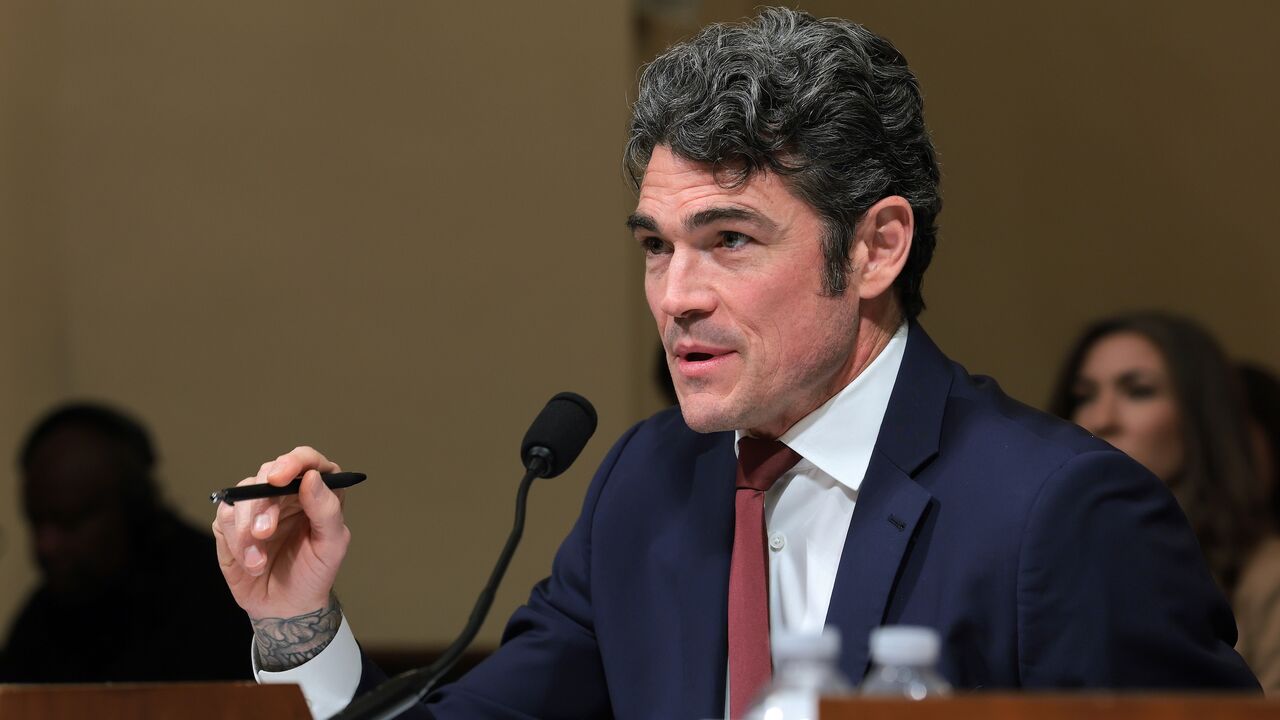
In a statement posted on social media, Kent maintained that Iran posed no imminent threat to the United States and suggested that the decision to initiate military action stemmed from external pressures, specifically referencing influence from Israel and associated advocacy groups in the U.S. He described the operations as inconsistent with principles he had long advocated, including a focus on avoiding prolonged overseas engagements. Kent had been appointed by Trump to lead the NCTC, an agency responsible for coordinating counterterrorism efforts across the U.S. intelligence community, and his confirmation by the Senate reflected his alignment with the administration’s “America First” rhetoric on foreign policy.
The resignation has drawn significant attention due to Kent’s background within the MAGA movement. He previously ran for Congress in Washington state with endorsements from prominent conservative figures and appeared frequently on media platforms associated with Trump supporters. His departure represents the first senior official to publicly break with the administration over the Iran policy, which has involved airstrikes and other military measures now extending into their third week with no clear endpoint announced.
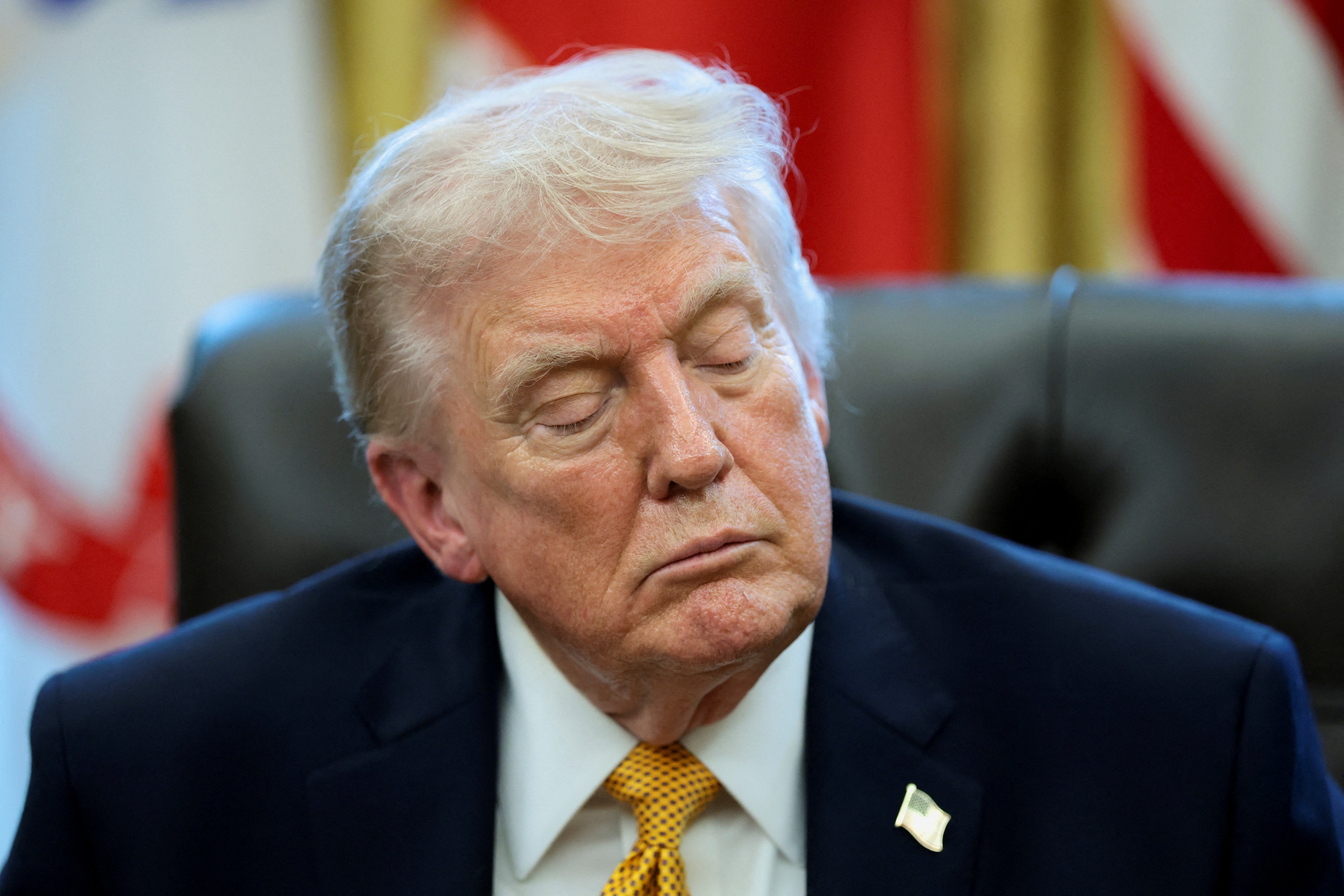
President Trump responded to the resignation by characterizing Kent as “weak on security” and suggesting the move was ultimately beneficial for the administration. In remarks to reporters, Trump reiterated his view that decisive action had been necessary to degrade Iranian capabilities and prevent potential threats to U.S. interests and personnel in the region.
House Speaker Mike Johnson addressed the matter during a press availability, defending the administration’s position by referencing classified briefings provided to congressional leaders. Johnson stated that intelligence indicated a serious and imminent risk, including the potential for mass casualties among American service members and civilians if action had been delayed. He questioned the basis of Kent’s assessment, noting that the former director had not been present for key intelligence discussions involving the Gang of Eight congressional leaders. Johnson’s comments aimed to reinforce the justification for preemptive measures while acknowledging the sensitivity of the intelligence involved.
The episode highlights emerging divisions within the Republican coalition over foreign policy priorities. Trump’s campaign emphasized ending endless wars and prioritizing domestic concerns, a message that resonated strongly with segments of his base skeptical of Middle East interventions. The current operations, framed by the administration as targeted and necessary to counter nuclear ambitions and regional aggression, have prompted unease among some anti-interventionist voices. Commentators and former officials have described the situation as exposing tensions between the “America First” non-interventionist wing and those favoring robust support for allies like Israel.

No immediate indications have emerged of additional resignations or widespread defections within the administration. However, the public nature of Kent’s exit and the specificity of his critique have amplified debate across conservative media and online platforms. Some analysts view it as a potential inflection point, testing the administration’s ability to maintain unity on national security matters amid an active conflict.
The Iran operations continue to dominate U.S. foreign policy discussions. Administration officials have described progress in degrading Iranian military infrastructure, leadership elements, and nuclear-related facilities, while emphasizing that regime change is not the explicit goal but could result from internal pressures over time. Trump has stated that regime change in Iran may occur eventually, though not necessarily in the immediate term, citing challenges such as the regime’s repressive measures against domestic dissent.
Congressional oversight remains a point of contention. Some lawmakers have pressed for public hearings on the costs, strategic rationale, and implications of the conflict, though leadership has prioritized classified briefings. The narrow Republican majority in the House adds complexity to managing internal disagreements while advancing related legislative priorities.
Broader international implications include strain on transatlantic relations, with European partners expressing varying degrees of support or concern over escalation risks. Diplomatic channels with regional actors continue, though progress toward de-escalation appears limited at present.
Kent’s resignation underscores the challenges of aligning campaign promises with governing realities in a volatile geopolitical environment. As the administration navigates the conflict’s trajectory, maintaining cohesion among key appointees and congressional allies will remain critical. The development also serves as a reminder of the diverse perspectives within the Republican foreign policy spectrum, where debates over intervention, alliances, and threat assessments persist.
For now, the focus rests on operational developments in the region and efforts to address domestic political fallout. The administration has signaled continued commitment to its stated objectives, while observers monitor whether this personnel shift signals broader realignments or remains an isolated incident.






