Trump Attacks Judge After Ruling Leaves Historic Conviction Intact
A New York judge has rejected former President Donald Trump’s attempt to overturn his historic criminal conviction using the Supreme Court’s presidential immunity doctrine, delivering a ruling that ensures the case will remain a central feature of the nation’s legal and political landscape.
The decision, issued by Judge Juan M. Merchan, concluded that the conduct underlying Trump’s 34 felony convictions — falsifying business records related to a hush-money payment made before the 2016 election — constituted private activity that occurred before Trump assumed the presidency. Because the actions were unrelated to official presidential duties, the judge ruled, they were not protected by the expanded immunity framework recently recognized by the Supreme Court.
The ruling effectively blocks what many legal analysts viewed as Trump’s most direct path to quickly invalidating the verdict without waiting for the lengthy appeals process to unfold.
Within hours of the decision becoming public, Trump sharply criticized the ruling and the judge overseeing the case. Speaking to reporters and posting statements on social media, the former president described the trial as “rigged” and accused the court of political bias — claims he has repeated throughout the proceedings.
“This was a disgrace,” Trump said after appearing in court earlier in the case. “I’m a very innocent man.”
The Manhattan case, brought by the office of District Attorney Alvin L. Bragg, centers on a series of business records prosecutors said were falsified to conceal reimbursements connected to a payment made to adult-film actress Stormy Daniels in the final weeks of the 2016 presidential campaign. Prosecutors argued the payment was intended to suppress potentially damaging allegations about an alleged past encounter between Daniels and Trump, which Trump has denied.
In May 2024, a Manhattan jury found Trump guilty on all 34 counts after weeks of testimony and deliberation, making him the first former president in U.S. history to be convicted of a felony.
Since then, Trump’s legal team has pursued several strategies aimed at overturning the verdict. Among the most prominent was the argument that the Supreme Court’s ruling expanding presidential immunity should apply retroactively to the case.
Trump’s attorneys contended that aspects of the evidence presented during the trial touched on presidential conduct and therefore should be shielded under the constitutional doctrine protecting official presidential actions.
Judge Merchan rejected that reasoning in clear terms.
In his ruling, the judge wrote that the actions at the heart of the case — the alleged falsification of internal business records in 2016 — took place before Trump became president and were unrelated to any official function of the office. As a result, the Supreme Court’s immunity framework did not apply.
Legal scholars said the decision reflects a relatively straightforward interpretation of the immunity doctrine, which has historically been limited to actions taken as part of a president’s official responsibilities.
“The court is essentially drawing a line between private conduct and official presidential duties,” said one legal analyst familiar with the case. “The immunity doctrine protects the latter, not the former.”
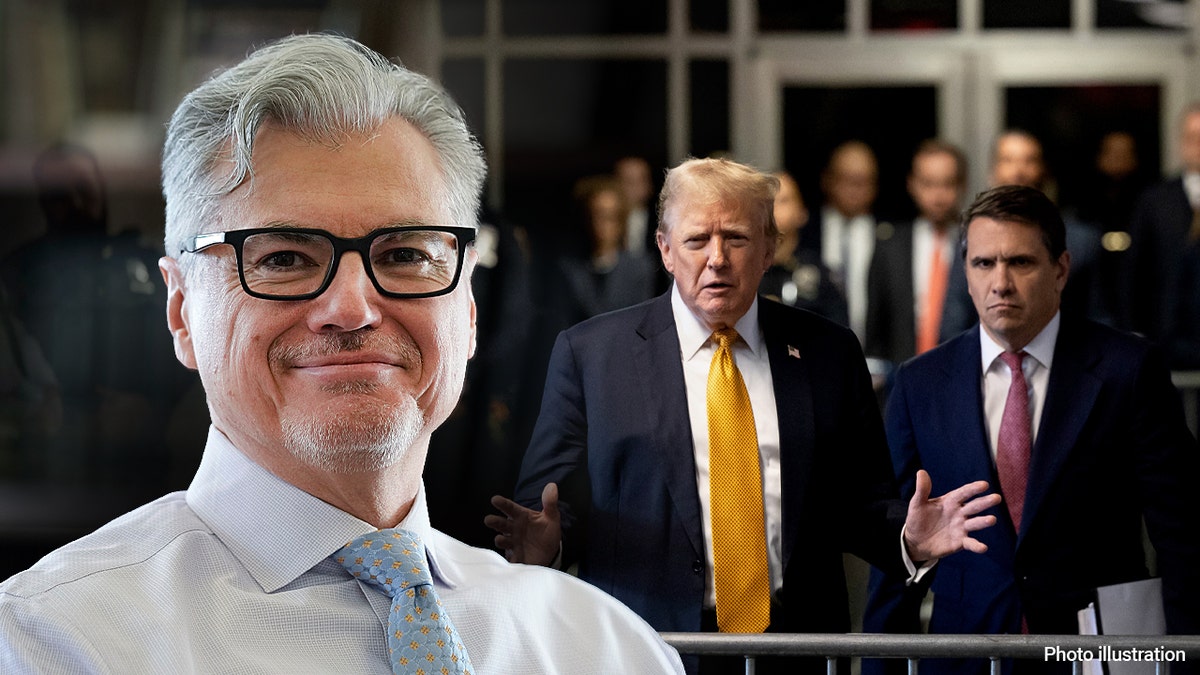
Trump’s legal team has already filed an appeal challenging the conviction on several grounds, including arguments related to evidence rulings, jury instructions and broader questions about federal and state authority over election-related conduct.
Appeals in complex criminal cases can take months or even years to resolve, meaning the conviction is likely to remain in place while the legal process continues.
The case has unfolded against the backdrop of an intensely polarized political environment, with Trump portraying the prosecution as part of a broader campaign to undermine his political movement. His critics, meanwhile, argue the case demonstrates that the legal system is capable of holding even the most powerful figures accountable.
The confrontation between Trump and Judge Merchan has also drawn attention to a series of court orders limiting public comments about witnesses, jurors and court staff after prosecutors argued that Trump’s public attacks were generating threats against individuals connected to the case.
The judge imposed a gag order during the trial and later fined Trump multiple times for violating its terms, warning that continued violations could carry more serious consequences.
Despite those warnings, Trump has continued to publicly criticize the judge and the proceedings.
For now, the ruling ensures that the conviction — and the legal battles surrounding it — will remain unresolved as Trump continues to challenge the verdict through the appellate courts.
Whether those challenges ultimately succeed will depend on the outcome of a legal process that could stretch well beyond the current election cycle.
But one thing is already clear: the case has secured a permanent place in the historical record as the first criminal conviction of a former American president, a milestone that continues to reverberate across the nation’s political and judicial institutions.






