Canada’s Quiet Defense Revolution Is Sending Shockwaves Through Washington
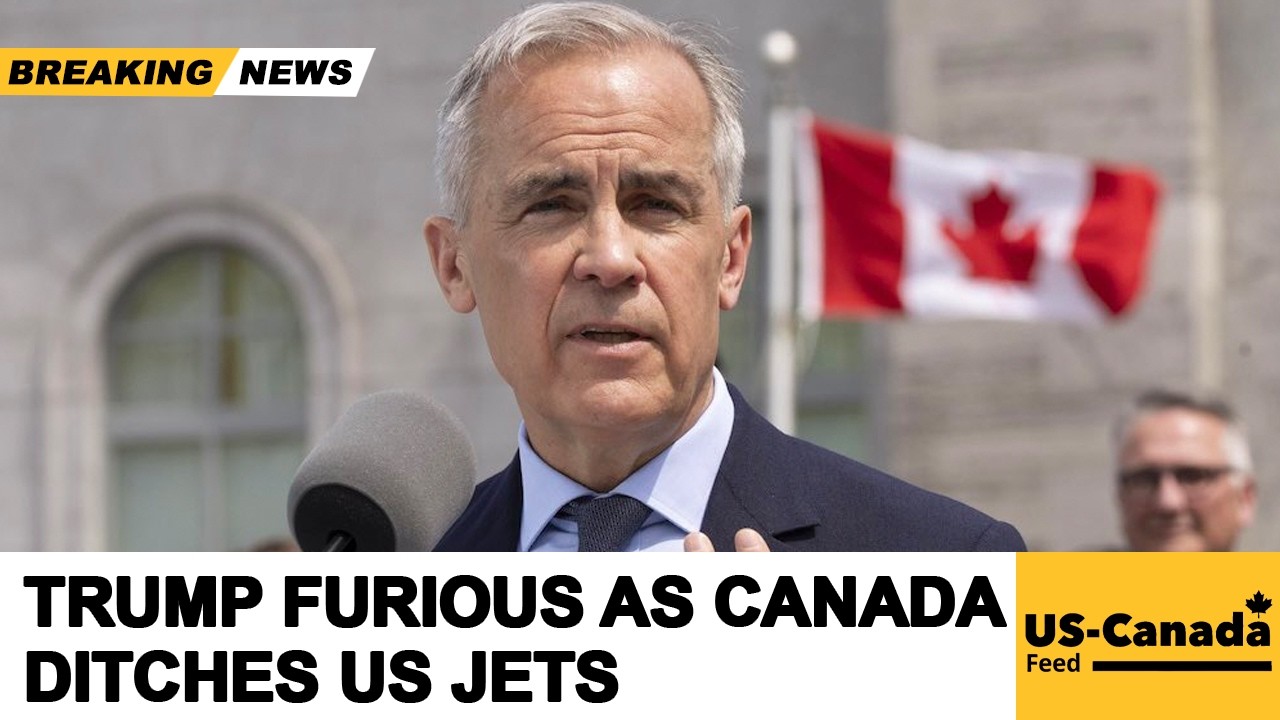
A quiet but potentially historic shift is unfolding across North America. While global attention remains fixed on conflicts in the Middle East and economic uncertainty, Canada is making strategic decisions that could reshape its defense posture for decades.
The latest signal came with Ottawa’s decision to select Saab’s GlobalEye surveillance aircraft instead of competing American platforms. On the surface, it appears to be a routine procurement choice.
In reality, it represents something much larger. Defense procurement is never just about equipment. It is about alliances, industrial relationships, and long-term strategic dependence.
For generations, Canada has relied heavily on American military technology. From fighter aircraft to intelligence systems, the defense relationship between the two countries has been among the closest in the world.
That assumption is now being tested.
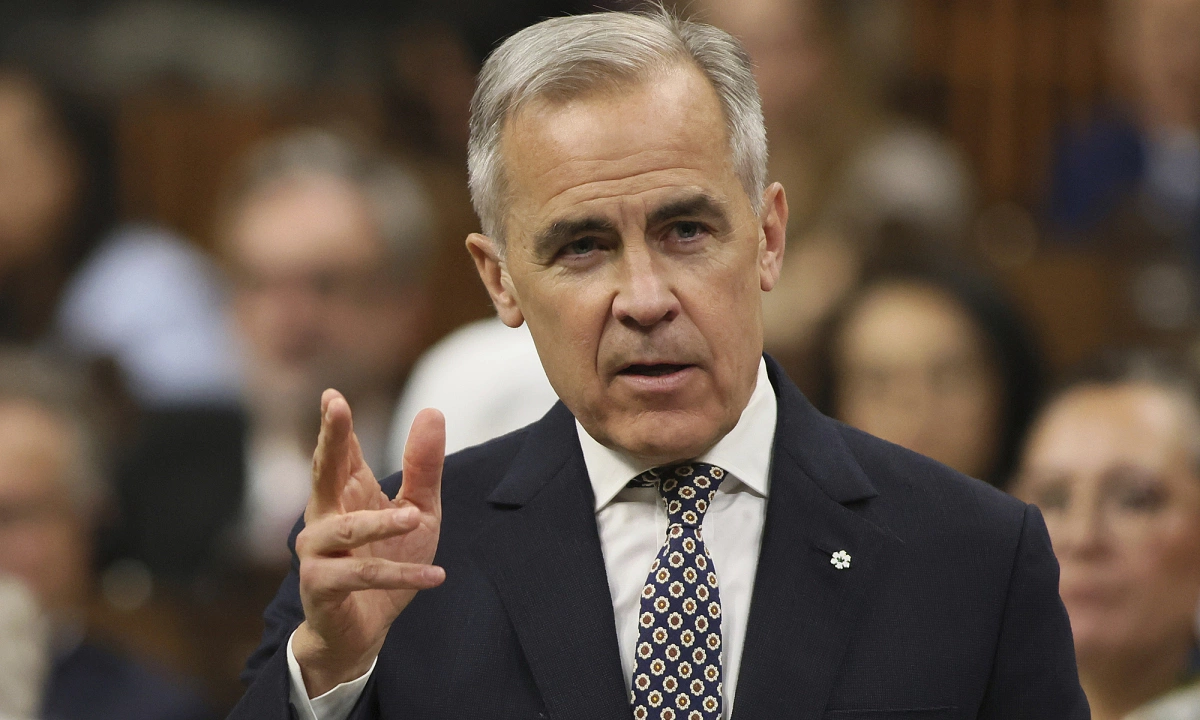
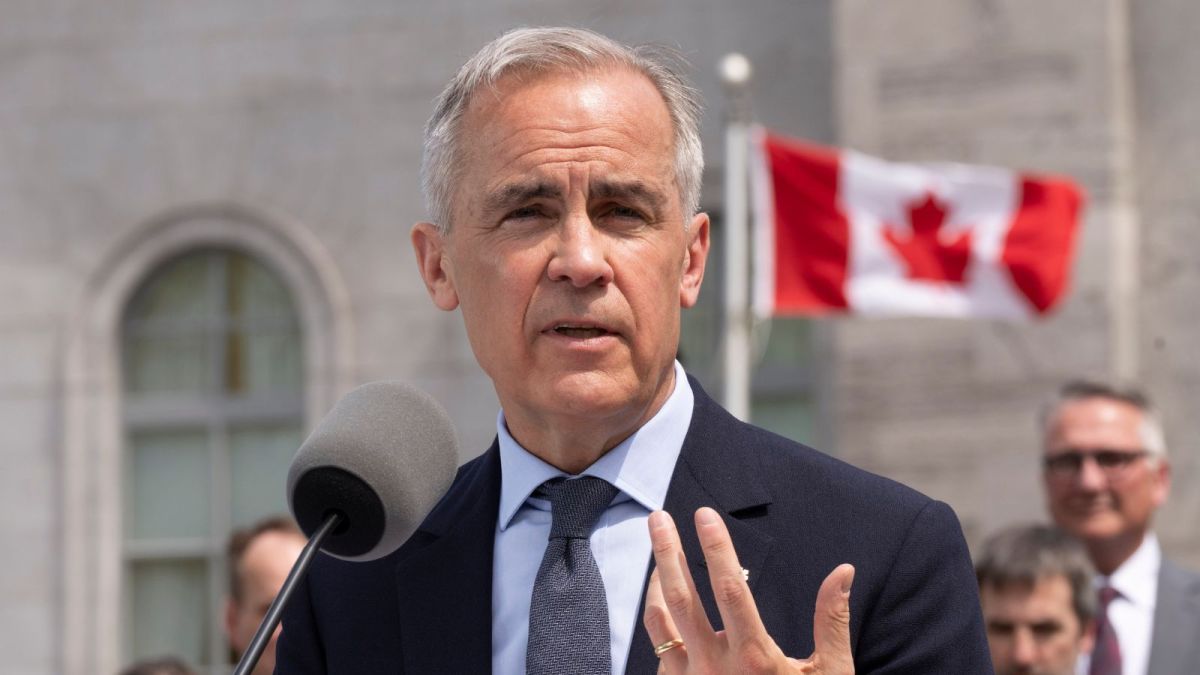
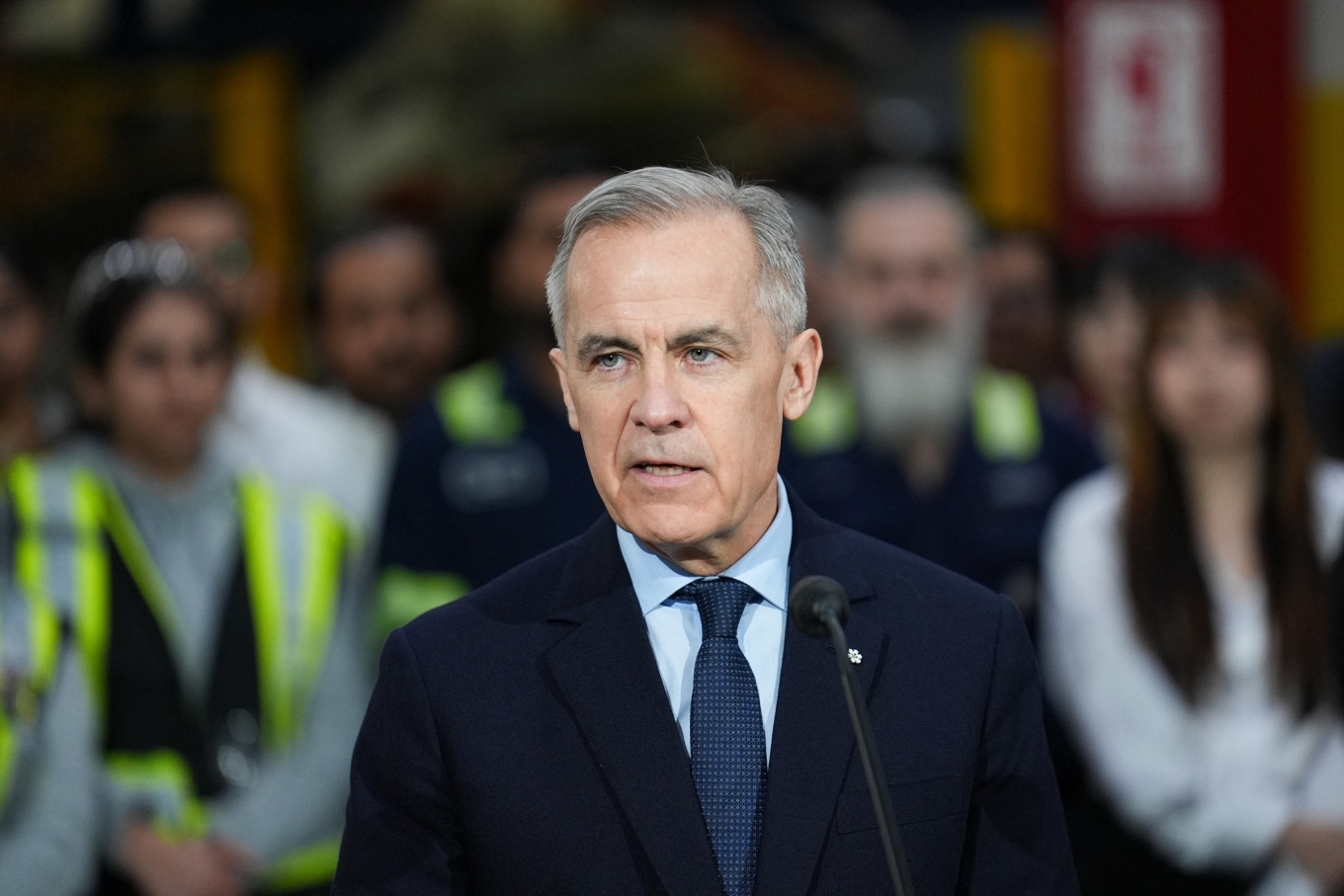
Prime Minister Mark Carney’s government has increasingly emphasized the need for greater strategic autonomy. The message is subtle but unmistakable: Canada wants more control over its own defense future.
The GlobalEye decision reflects that philosophy. Built on the Canadian-made Bombardier Global 6500 platform and integrated with Swedish technology, the program creates domestic jobs while reducing reliance on U.S.-controlled systems.
More importantly, it strengthens Canada’s aerospace industry at a time when governments worldwide are treating industrial capacity as a national security asset.
This shift extends beyond a single aircraft contract. European defense companies such as Saab and Airbus are expanding their ambitions in Canada, offering production partnerships rather than simple export deals.
That distinction matters. Countries increasingly want technology transfer, local manufacturing, and long-term industrial benefits rather than merely purchasing foreign equipment.
Canada appears determined to follow that path.
The submarine competition offers another example. South Korea’s Hanwha Ocean and Germany’s ThyssenKrupp Marine Systems are aggressively courting Ottawa with proposals that combine military capability with industrial investment.
These bids are designed not only to win contracts but to embed foreign partners within Canada’s defense ecosystem for decades.
The result is a growing diversification of Canada’s strategic relationships.
What makes this development especially significant is its timing. The global security environment is becoming more fragmented and unpredictable.
Governments are learning a difficult lesson: dependence can become vulnerability.
Whether the issue involves energy supplies, semiconductor production, artificial intelligence, or defense technology, nations increasingly want backup options.
Canada is no exception.
The trend is also visible in technology policy. Canadian leaders have repeatedly spoken about digital sovereignty and reducing reliance on foreign-controlled platforms.
Recent efforts to strengthen domestic AI capabilities reflect the same strategic thinking that is now influencing defense procurement.
The objective is resilience.
From Ottawa’s perspective, resilience means ensuring that critical national capabilities remain available regardless of political changes abroad.
This concern has become more pronounced as international politics grows increasingly volatile.
For Washington, these developments raise uncomfortable questions. Canada remains a close ally, NATO partner, and major trading partner.
However, allies can diversify without becoming adversaries.
That distinction is crucial because Canada’s strategy is not anti-American. It is fundamentally pro-Canadian.
The goal is not separation from the United States but greater flexibility in a world where geopolitical risks are multiplying.
Still, diversification inevitably changes relationships. Every major defense contract awarded outside the United States reduces American industrial influence.
Every new partnership creates alternative channels for cooperation.
Over time, those changes accumulate.
The debate surrounding the F-35 fighter program illustrates this dynamic. Canada continues to evaluate its long-term options while competitors emphasize technology transfer, local assembly, and sovereign operational control.
The discussion is no longer solely about aircraft performance.
It is increasingly about who controls the systems that support those aircraft throughout their operational lives.
That question resonates far beyond military circles.
Around the world, governments are reconsidering assumptions that once seemed permanent. Supply chains, financial systems, technology platforms, and defense networks are all being reassessed through the lens of strategic independence.
Canada’s recent decisions fit squarely within that broader global trend.
What makes the Canadian case particularly important is that it involves one of America’s closest allies.
Historically, Canada’s defense choices were viewed as largely predictable. Today, that predictability is fading.
Instead, Ottawa appears to be building a more diversified network of partnerships spanning Europe and Asia.
The transformation remains gradual. No single contract will redefine Canada’s strategic orientation overnight.
Yet geopolitical change rarely arrives in dramatic fashion.
More often, it emerges through a series of seemingly routine decisions that only reveal their significance when viewed together.
That may be exactly what is happening now.
Canada is not abandoning its alliance with the United States. It is expanding its options, strengthening its industrial base, and reducing areas of critical dependence.
For supporters, that is prudent statecraft.
For critics, it risks complicating one of the world’s most important bilateral relationships.
Either way, the direction is becoming increasingly difficult to ignore.
The real question is no longer whether Canada is diversifying its strategic partnerships.
The question is how far that diversification will go—and how profoundly it will reshape the balance of influence across North America in the years ahead.