Trump Pressures From Washington. Poilievre Attacks From Ottawa. And Carney Finds Himself Fighting on Two Fronts.
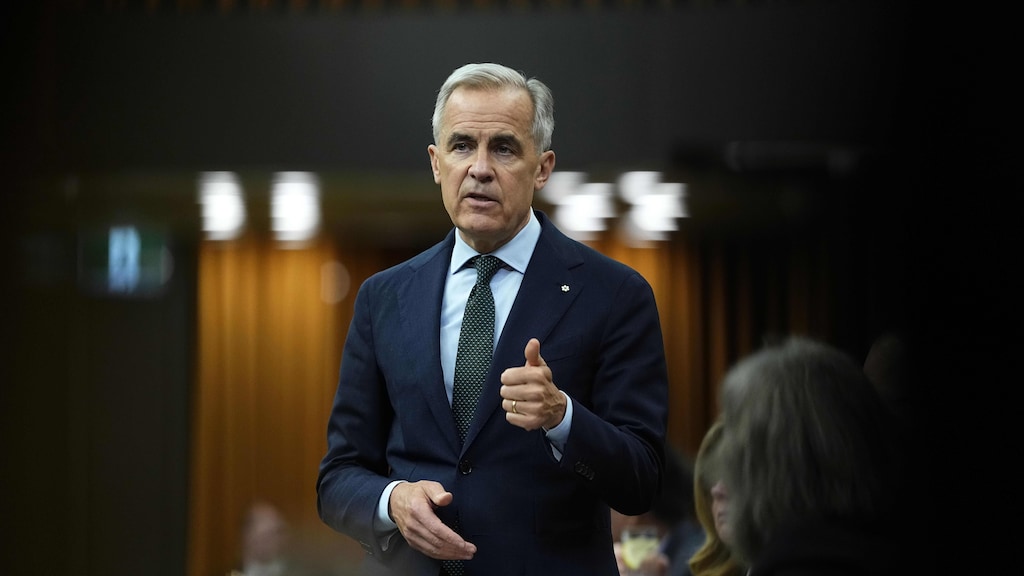
OTTAWA — Prime Minister Mark Carney is confronting pressure on two fronts as he seeks to steady Canada’s economy amid renewed trade threats from the United States and sharp domestic criticism from the Conservative opposition.
The dual challenges highlight the difficult balancing act facing the Canadian leader in a period of global uncertainty and domestic political strain.

External Pressure From Trump
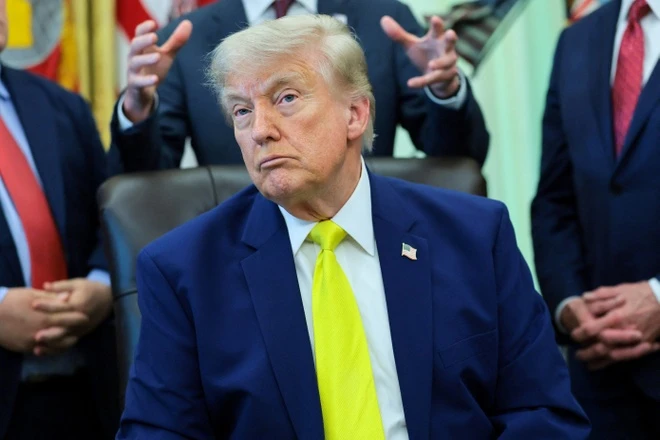
South of the border, President Donald Trump has resumed aggressive trade rhetoric, renewing threats of tariffs and emphasizing an “America First” agenda that has rattled Canadian officials. The renewed focus on protectionism has raised concerns about potential disruptions to the deeply integrated North American supply chains.
Canadian exports to the United States remain the cornerstone of the national economy, making any escalation particularly sensitive.
Internal Assault From Poilievre
At home, Conservative Leader Pierre Poilievre has intensified attacks on the government’s fiscal record, targeting rising deficits, government spending and the persistent cost-of-living crisis affecting millions of Canadians. Mr. Poilievre has framed the Carney government as out of touch with ordinary households struggling with housing, groceries and energy costs.
The opposition’s criticism has grown more pointed in recent weeks, coinciding with new economic data showing ongoing challenges.
Carney’s Balancing Act
Mr. Carney has positioned himself as a steady hand focused on long-term economic resilience. His government has emphasized diversification of trade partners, investments in critical infrastructure and efforts to shield Canada from external shocks.
Yet the prime minister finds himself defending against simultaneous attacks from Washington and Ottawa, a dynamic that complicates his efforts to project stability.
Global Economic Headwinds
The pressures come as global markets face uncertainty from shifting supply chains, energy security concerns and geopolitical competition. Canada’s resource-heavy economy remains vulnerable to fluctuations in commodity prices and changes in U.S. trade policy.
Energy exports, in particular, have become a focal point of bilateral tensions.
Political Test for Carney
The situation represents a significant test for Mr. Carney’s leadership. Having entered office with a reputation as a skilled economist and former central banker, he is now navigating not only complex international negotiations but also a fierce domestic political battle.
His ability to manage both fronts will likely shape public perception heading into future elections.
Trump’s Leverage
President Trump’s renewed focus on tariffs and renegotiating trade terms has echoes of his first term. Canadian officials have responded with measured diplomacy while quietly accelerating efforts to strengthen ties with European and Asian partners.
The strategy aims to reduce vulnerability without provoking further escalation.
Poilievre’s Momentum
Mr. Poilievre has capitalized on public frustration with affordability issues. His attacks have resonated in regions feeling the pinch of higher living costs and slower economic growth. The Conservative leader has portrayed the government as more focused on international summits than on helping families at home.
Economic Stability Narrative
Mr. Carney’s team argues that the government is laying foundations for a more resilient economy through diversification, infrastructure investment and strategic partnerships. Officials point to progress in trade negotiations and efforts to shield key sectors from U.S. tariffs.
Public Anxiety
Polls suggest many Canadians feel squeezed by the combined weight of external trade risks and domestic economic pressures. The cost of housing, groceries and energy remain top concerns, amplifying the political stakes for all parties.
Defining Moment
The current environment marks a defining political and economic test for Canada. How Mr. Carney navigates the dual pressures could influence not only the next federal election but the country’s broader strategic direction for years to come.
Strategic Asset
Leadership has become Canada’s most valuable asset in this moment. The ability to project calm competence while addressing legitimate grievances at home and abroad will determine whether the government can maintain public confidence.
Cross-Border Dynamics
The interplay between U.S. policy and Canadian domestic politics creates a complex feedback loop. Actions in Washington often strengthen opposition voices in Ottawa, while domestic criticism can limit the government’s flexibility in international negotiations.
Path Forward
Mr. Carney’s government continues to pursue a dual-track approach: defending Canadian interests in talks with the United States while advancing diversification initiatives and domestic reforms. Success will depend on delivering tangible results on affordability and economic security.
Uncertain Outlook
The coming months are likely to test the resilience of Canada’s political system and economic model. As external pressures mount and internal divisions sharpen, the country stands at a crossroads that will shape its place in an increasingly fragmented North America.
For now, Mr. Carney finds himself fighting on two fronts, with the stakes rising for both his government and the nation he leads.






