Trump’s Stunning Attack on Starmer Signals a Dangerous Fracture in the U.S.–U.K. Alliance
The language was unusually blunt, even by modern political standards. Standing before reporters in the Oval Office, former President Donald Trump delivered a stinging rebuke of British Prime Minister Keir Starmer, invoking the legacy of Winston Churchill only to dismiss his contemporary counterpart. “This is not Winston Churchill,” Trump said, a remark that reverberated far beyond Washington and into the heart of one of the world’s most enduring alliances.
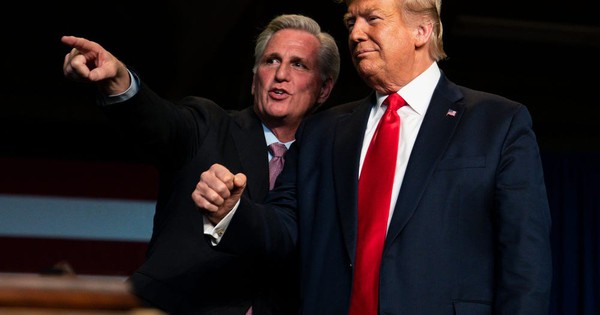
The comment was more than rhetorical flourish. It marked a turning point in a rapidly escalating dispute between the United States and the United Kingdom, one that has exposed deep divisions over military strategy, economic leverage, and the very meaning of alliance in a volatile geopolitical moment.
At the center of the conflict lies a high-stakes decision by Starmer. As tensions surged in the Middle East following a coordinated U.S.-Israeli strike against Iranian leadership targets, Washington expected full cooperation from London. Instead, the British government hesitated. In the early hours of the operation, officials in London reportedly restricted the use of key U.K.-controlled bases for offensive missions, signaling a refusal to fully align with the American strategy.
For Trump, the response was unacceptable. The United Kingdom, long described as America’s closest ally, was suddenly portrayed as unreliable. His criticism was swift and public, casting doubt on Britain’s commitment to what he framed as the defense of global stability. The message was unmistakable: loyalty, in this moment, was not optional.
Behind the scenes, however, Starmer’s calculus appeared far more complex. With hundreds of thousands of British nationals living and working across the Gulf region, the risks of escalation were immediate and personal. Intelligence warnings suggested that deeper involvement in the conflict could expose civilians to retaliation from Iranian-aligned groups, turning geopolitical strategy into a matter of domestic safety.
The tension between these priorities—strategic alignment and civilian protection—has placed Starmer in a precarious position. In Parliament, he has emphasized the importance of legal frameworks and international norms, insisting that any military action must be grounded in clear justification. The stance reflects a deliberate effort to distance Britain from the legacy of past interventions, particularly the Iraq War, which continues to shape public and political opinion.
Trump’s approach, by contrast, reflects a more transactional view of alliances. Cooperation is expected, and deviation carries consequences. In recent remarks, he has hinted at economic retaliation, including the possibility of sharply increased tariffs on British goods. Such measures, if enacted, could place additional strain on an already fragile economic outlook in the United Kingdom.
The implications extend beyond trade. The dispute has raised questions about the future of shared military infrastructure, including strategically vital bases that have long served as cornerstones of joint operations. Any erosion of trust in these arrangements could complicate coordination at a time when global security challenges are intensifying.

For analysts, the confrontation represents more than a bilateral disagreement. It is a reflection of a broader shift in international relations, where traditional alliances are increasingly subject to renegotiation. The “special relationship” that defined much of the 20th century is now being tested by divergent political philosophies and competing national interests.
Across Europe, the situation is being closely watched. Some leaders have expressed quiet support for a more cautious approach, aligning with Starmer’s emphasis on legal legitimacy and measured response. Others worry that visible fractures between Washington and London could embolden adversaries and weaken collective deterrence.
Markets, too, are beginning to register the uncertainty. Currency fluctuations, investor hesitancy, and concerns over potential trade barriers all point to the economic stakes of the dispute. In an interconnected global system, political disagreements at the highest level can quickly translate into tangible financial consequences.
For Starmer, the path forward is fraught with risk. Align too closely with Washington, and he may face domestic backlash and legal scrutiny. Maintain distance, and the cost could be diplomatic isolation or economic pressure from Britain’s most powerful ally. It is a balancing act with no easy resolution.
Trump, meanwhile, has made his position clear. In his view, alliances must be unequivocal, particularly in moments of crisis. By publicly challenging Starmer’s leadership, he has not only escalated the immediate dispute but also signaled a broader redefinition of what partnership entails in an era of heightened geopolitical competition.
As the situation continues to unfold, one question looms large: can the United States and the United Kingdom reconcile their differences before the rift becomes permanent? The answer will shape not only the future of their relationship, but also the stability of a global order already under significant strain.
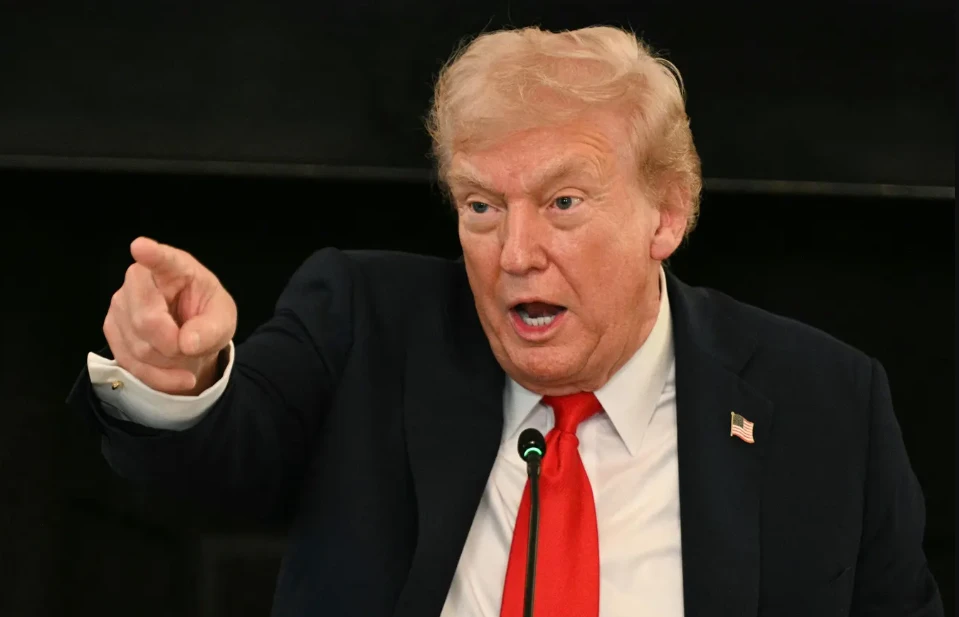
In the end, the clash between Trump and Starmer is not merely a war of words. It is a test of alliance, authority, and the evolving rules of international engagement. And as history has often shown, moments like these rarely end where they begin.






