Tensions between the United States and Canada are once again moving into the spotlight as trade discussions are expected to intensify in the coming months. With a mandatory review of the USMCA agreement approaching, political rhetoric is heating up, raising questions about the future of one of North America’s most critical economic partnerships.

Former President Donald Trump has repeatedly argued that the United States does not need Canada, even suggesting the possibility of withdrawing from the agreement altogether. Instead, he has floated the idea of negotiating separate bilateral deals with Canada and Mexico, a move that could significantly reshape regional trade dynamics.
Echoing similar sentiments, JD Vance recently claimed that Canada has been “taking advantage” of the United States for most of his life. While such statements may appear to be standard political messaging, they reflect a deeper and more complex shift in tone.

For decades, U.S. policymakers have used pressure tactics in negotiations with Canada, including tariffs, threats, and economic uncertainty. The underlying assumption was that sustained pressure would force Canada into concessions. However, recent developments suggest that this strategy may no longer be effective.
Rather than reacting with urgency, Canada has taken a notably calm and measured approach. The country has avoided rushing into new agreements or making reactive decisions, instead maintaining a steady position that has proven increasingly difficult to influence.
This shift has become more pronounced as global conditions evolve. Rising geopolitical tensions, particularly involving Iran, have disrupted energy markets and driven oil prices higher. What was once a political debate has quickly transformed into an issue with real economic consequences.
Energy, in particular, has emerged as a critical factor. Canada’s vast natural resources and stable supply chains have positioned it as a reliable energy partner at a time when global supply routes face uncertainty. This advantage is becoming increasingly difficult for the United States to overlook.
At the same time, Canada has been quietly expanding its global relationships. Increased engagement with Europe and Asia has opened new markets and reduced reliance on a single trading partner. This diversification has strengthened Canada’s negotiating position.
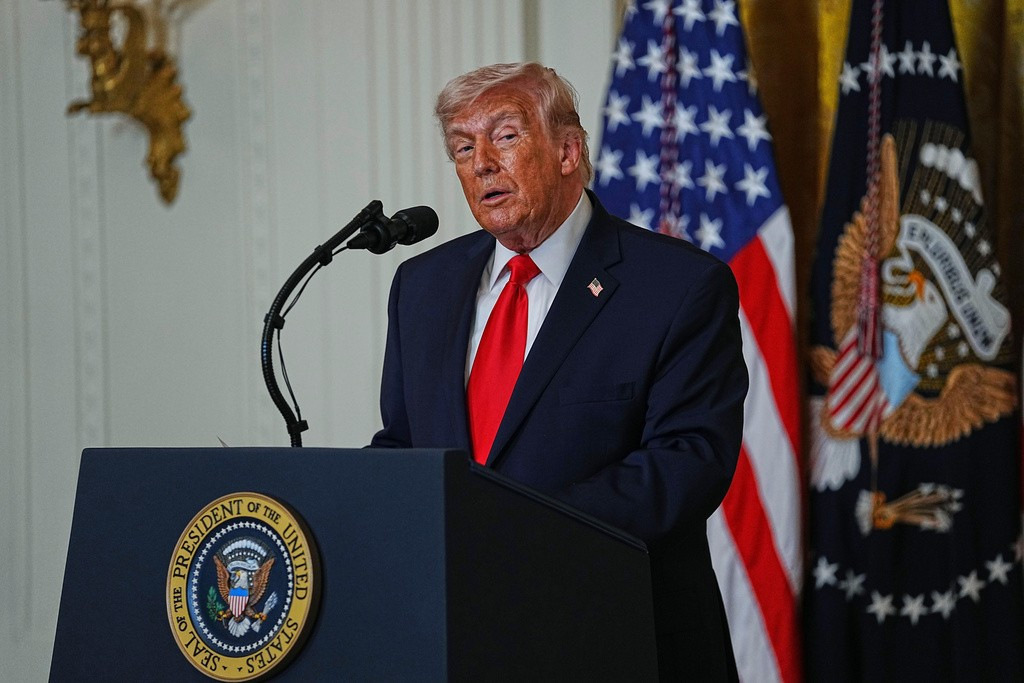
As a result, the balance of power between the two countries appears to be shifting. The United States, once dominant in trade negotiations, now faces a more complex landscape where traditional strategies may carry greater risks.
Domestic consequences are also becoming more visible. Rising fuel prices, supply chain disruptions, and economic pressure are affecting businesses and consumers alike. Decisions made at the policy level are now directly impacting everyday life.
Canada’s strategy of patience and stability is beginning to yield results. By maintaining flexibility and avoiding reactionary moves, the country has gained leverage in negotiations that were once heavily tilted in favor of the United States.
Ultimately, the most significant change may not be found in political speeches or headlines, but in the gradual shift of influence. As global uncertainty continues to grow, the dynamics of North American trade are evolving — quietly, but with lasting impact.






