A growing debate over national identity, immigration, and cultural integration is once again capturing public attention in the United Kingdom, following the circulation of several controversial videos and incidents involving religious spaces, public preaching, and community relations.
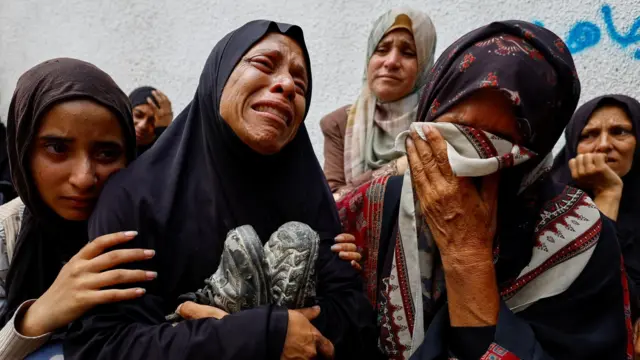
For many Britons, particularly those who identify strongly with England’s historical traditions and cultural heritage, there is an increasing feeling that the country has changed dramatically over the past few decades.
Critics argue that rapid demographic shifts, especially in major cities such as London, have transformed communities beyond recognition, leaving some longtime residents feeling disconnected from the places they once called home.
London is often cited as the clearest example of this transformation.
Many residents who grew up in the capital claim that the city bears little resemblance to the London they knew thirty years ago.
Rising living costs, population changes, and new migration patterns have pushed many families toward other parts of the country, including counties such as Devon and other traditionally English regions.
Alongside concerns about identity and community change, questions surrounding religion and cultural respect have become increasingly prominent.
Several recent incidents shared widely on social media have sparked heated discussions about how religious traditions should coexist in a multicultural society.
One of the most discussed videos showed a woman entering a church and engaging in a heated exchange with worshippers. Critics of the incident argued that the behavior demonstrated a lack of respect for a Christian place of worship, while supporters of interfaith dialogue insisted that isolated incidents should not be used to judge entire communities.
Another controversy involved a Christian street preacher in Bristol who was reportedly questioned by police following complaints linked to his public remarks about religion and social issues. The case reignited long-standing concerns among free speech advocates, who argue that religious expression is increasingly subject to scrutiny in public spaces. Others, however, maintain that authorities have a responsibility to intervene when public speech risks causing conflict or disorder.
Across Europe, similar debates have emerged as videos circulate online showing individuals entering churches and engaging in behavior viewed by many Christians as provocative or disrespectful. These incidents have fueled broader conversations about mutual respect between faith communities and the responsibilities that come with religious freedom.
The future of historic churches has also become a source of concern for some communities. As attendance declines and maintenance costs rise, a growing number of church buildings have been sold or repurposed. In certain cases, former churches have been converted into mosques or community centers. Supporters see these conversions as practical solutions that keep buildings in active use, while critics view them as symbolic evidence of cultural and religious change.
Questions surrounding public displays of faith have further intensified tensions. Images and videos showing Muslim prayer gatherings in prominent public locations have attracted both praise and criticism. Supporters argue that such events reflect the religious diversity of modern Britain and demonstrate the country’s commitment to freedom of worship. Opponents, however, believe these displays can be interpreted as challenges to traditional cultural symbols and national heritage.
Political leaders have also found themselves at the center of the controversy. London Mayor Sadiq Khan has frequently highlighted his Muslim faith during major religious celebrations, including Eid and the Hajj pilgrimage. Supporters applaud these messages as examples of inclusivity and representation, while critics argue that public officials should place greater emphasis on shared national identity rather than religious affiliation.
The broader debate extends beyond religion and touches on questions of governance, immigration policy, and national sovereignty. Some campaigners argue that existing laws have contributed to demographic changes that they believe have altered the character of the country. They call for reforms aimed at preserving what they describe as England’s historical identity and cultural foundations.
Others strongly reject such arguments, pointing out that modern Britain has long been shaped by immigration, diversity, and cultural exchange. They contend that social cohesion is best achieved through mutual respect and equal treatment rather than attempts to prioritize one cultural identity over another.
As these debates continue, one thing is clear: concerns about identity, belonging, and the future direction of the United Kingdom remain among the most emotionally charged issues in British public life. Whether discussed in Parliament, on television, or across social media platforms, the conversation shows no signs of fading.
With immigration, integration, religious freedom, and national identity all becoming increasingly intertwined, Britain faces a difficult challenge—how to balance respect for its historic traditions while navigating the realities of an increasingly diverse and rapidly changing society.