Recent developments have intensified the long-standing tension between Brussels and two of Europe’s most assertive leaders — Giorgia Meloni of Italy and Viktor Orbán of Hungary. As disagreements grow over migration, energy policy, and the pace of EU centralization, serious questions are rising about whether a new alignment is forming that could significantly challenge Ursula von der Leyen’s leadership and the current direction of the European Union. While dramatic claims of a “takeover” circulate online, the real story lies in the deepening coordination between sovereign-minded governments pushing back against what they see as excessive influence from Brussels.
The relationship between national capitals and the European Commission has always been complex, but in recent years it has become increasingly strained. Viktor Orbán has long positioned himself as a defender of national sovereignty, frequently clashing with EU institutions over issues ranging from judicial reforms to migration quotas. Giorgia Meloni, despite being from a different political tradition, has also shown a willingness to prioritise Italian national interests, particularly on border security and economic policy. Their growing coordination is now drawing attention from analysts who see it as part of a broader push for a more balanced European project.
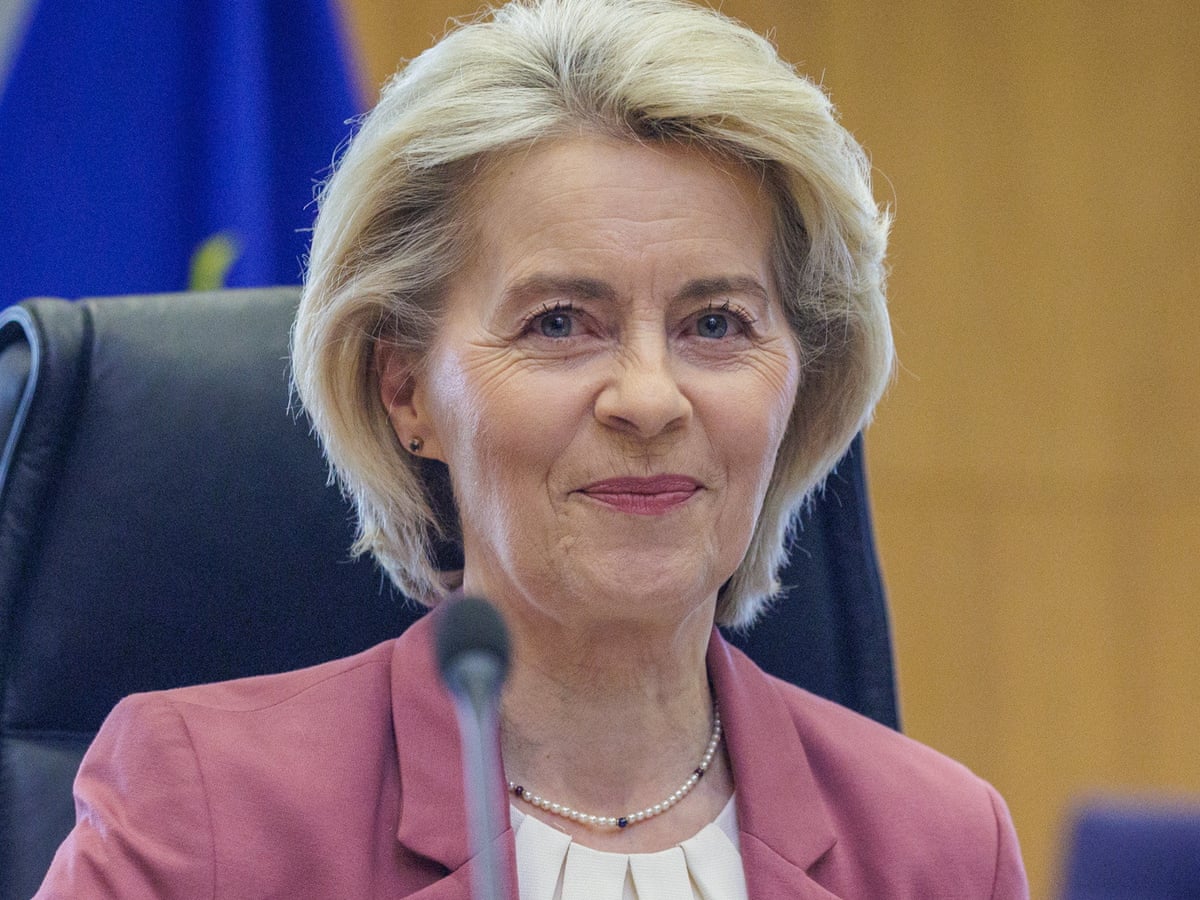
At the heart of the tension is the question of power distribution within the EU. Many member states, particularly in Central and Eastern Europe, feel that decision-making has become too concentrated in Brussels. Policies on migration, climate targets, and fiscal rules are often perceived as being imposed from above without sufficient consideration for national circumstances. Orbán has been particularly vocal about this, arguing that the EU should be a partnership of sovereign nations rather than a superstate that overrides national parliaments.
The recent meeting between Orbán and Alice Weidel of Germany’s AfD has added fuel to the fire. Although not directly involving Meloni, it has highlighted the willingness of certain leaders to explore alliances outside traditional EU frameworks. Critics in Western Europe see this as dangerous populism that threatens European unity. Supporters argue it represents a legitimate democratic pushback against policies that have failed to deliver for many citizens.
Energy policy is another major flashpoint. Orbán’s government has consistently opposed rapid green transitions that it believes harm Hungarian industry and households. Similar concerns have been voiced in Italy under Meloni, where energy security and affordability remain high priorities. Both leaders have advocated for a more pragmatic approach that balances environmental goals with economic reality and national energy independence.
Migration remains perhaps the most divisive issue. Orbán’s hardline stance on border control has made him a hero to many who feel the EU’s open policies have led to social tensions and security challenges. Meloni has also taken a firm approach to irregular migration in Italy, focusing on naval operations and agreements with North African countries. Their shared emphasis on national control over borders has created a natural alignment that Brussels finds difficult to manage.
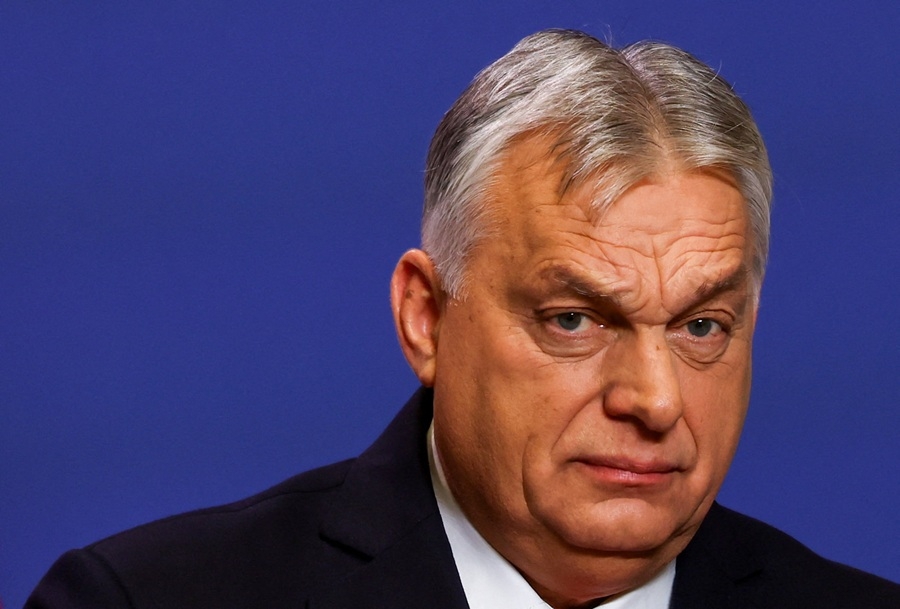
Ursula von der Leyen and the European Commission have responded with a mix of public criticism and behind-the-scenes diplomacy. The Commission has used legal tools and funding mechanisms to pressure non-compliant member states, but this approach has sometimes backfired, strengthening the narrative of Brussels overreach. The growing coordination between Orbán, Meloni, and other like-minded leaders suggests that the old strategy of isolation may no longer be effective.
The broader context is one of shifting power dynamics in Europe. The war in Ukraine has exposed vulnerabilities in European energy security and defence capabilities, leading to renewed debates about strategic autonomy. Countries in the East and South feel they have borne a disproportionate burden from migration and energy crises, while Western European nations continue to set the agenda. This imbalance is driving calls for a more equitable distribution of power within the EU.
Analysts warn that if these tensions are not managed carefully, they could lead to deeper fragmentation. A more assertive bloc of Central and Eastern European states working together could change voting patterns in the European Council and complicate major legislative initiatives. At the same time, the rise of populist parties across the continent suggests that public dissatisfaction with the current EU model is not limited to a few countries.
For the European Commission, this represents a significant challenge to its authority. Von der Leyen’s leadership has been defined by ambitious goals on climate, digital regulation, and geopolitical positioning. However, implementation has often met resistance from member states that feel their national interests are being overlooked. The Commission’s response has been to double down on integration, but this risks further alienating sceptical governments and voters.

The situation is further complicated by upcoming elections in several key countries. In Germany, the AfD’s rise has already changed the political landscape. In France, Italy, and other nations, populist and nationalist parties are gaining ground. These domestic shifts are influencing how governments approach EU negotiations, making consensus more difficult to achieve.
Despite the tensions, many observers believe the EU remains fundamentally resilient. The shared economic benefits, security cooperation, and legal framework continue to bind member states together. However, the current period of strain is testing that resilience in new ways. The question is whether the EU can adapt to demands for greater national flexibility without losing its core cohesion.
Orbán and Meloni represent different political traditions but share a common scepticism toward excessive centralization. Their coordination, whether formal or informal, is forcing Brussels to pay closer attention to the concerns of smaller and medium-sized member states. This could ultimately lead to a more balanced and sustainable European project — or it could deepen existing divisions if not handled carefully.
For ordinary Europeans, the stakes are high. Many are tired of abstract debates about integration and want practical solutions to everyday problems like energy costs, migration management, and economic security. The success or failure of leaders like Orbán and Meloni in pushing for change will depend on whether they can deliver tangible results for their citizens while working within the EU framework.
The coming months will be critical. As negotiations continue on key policy areas and elections reshape national governments, the balance of power within Europe may shift in unexpected ways. Brussels elites are watching closely, aware that the current model is under unprecedented pressure.
Whether this leads to a stronger, more flexible Union or increased fragmentation remains to be seen. What is clear is that the era of unquestioned centralization is facing serious challenges, and leaders like Viktor Orbán are playing a central role in that transformation.
The political earthquake in Europe is far from over. Its aftershocks will likely be felt for years to come.






