The delicate architecture of North American industrial cooperation faced its most severe existential challenge this week, as Washington and Beijing presented Ottawa with starkly divergent economic futures. A blunt declaration by U.S. Commerce Secretary Howard Lutnick has suddenly forced Canada to re-evaluate the heavy price of its continental alignment.
Speaking behind closed doors at a high-level summit in Toronto, Lutnick explicitly shattered any remaining illusions regarding a balanced trade partnership. He informed Canadian business leaders and government officials that, under the current administration, the United States would unconditionally prioritize its domestic automotive sector above all others.
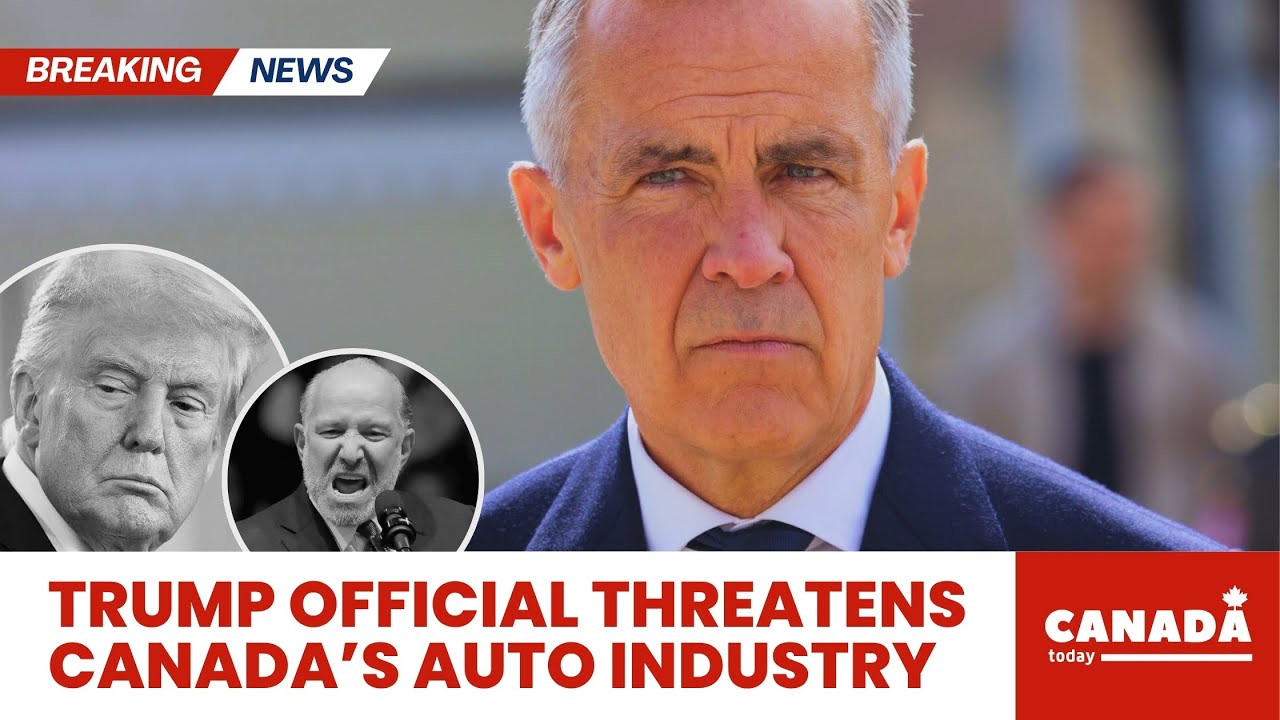
The remarks reverberated immediately through the halls of Queen’s Park, where Ontario Premier Doug Ford characterized the speech as an existential threat to the province’s manufacturing base. According to officials familiar with the briefing, Lutnick openly suggested moving highly integrated vehicle manufacturing operations further south into America.
Such a drastic realignment would effectively dismantle the deeply intertwined, multi-billion-dollar supply chains that have sustained the continental automotive industry for more than half a century. Analysts quickly noted that Lutnick’s aggressive stance could only have been delivered with an explicit green light from the White House.
“For the United States, it will always be America’s auto industry first, and then any other.” — Howard Lutnick, U.S. Commerce Secretary
Yet, precisely as Washington delivered this geopolitical warning shot, an unexpected diplomatic opening materialized from Asia. In a televised interview, Chinese Ambassador Wang Di delivered a calculated proposition that could completely alter the current trajectory of Canada’s embattled agricultural and green technology sectors.
Wang announced that Beijing is fully prepared to eliminate its highly punitive tariffs on Canadian canola, meal, and seed products. However, this massive market reopening depends entirely on whether Ottawa is willing to scrap its hundred percent surtax on imported Chinese electric vehicles.
The simultaneous messages have placed Prime Minister Mark Carney’s administration at a critical historical crossroads, trapped between superpower aggression and economic temptation. For nearly a year, Ottawa has strictly enforced Washington-style protectionist measures, mirroring American policies out of traditional diplomatic loyalty rather than internal economic logic.
Former political leaders, including Tom Mulcair, have been blunt in their assessments, arguing that Canada did not create this trade dispute. Instead, Ottawa merely copied a defensive American strategy designed to shield uncompetitive domestic automakers from high-quality, highly affordable Chinese electric vehicle innovations.
The domestic consequences of this imitation have been severely felt across the vulnerable Canadian agricultural heartland, particularly throughout the western prairies. In a swift tit-for-tat retaliation, Beijing targeted billions of dollars in Canadian canola exports, forcing taxpayers to prepare for massive federal farm subsidies.
The current strategy has fundamentally produced a frustrating paradox for Canadian policymakers: total compliance with Washington has yielded only hostility from the United States. Instead of securing guaranteed exemptions, Canada has faced continuous economic threats, including public suggestions that it should be absorbed as a state.
Ambassador Wang’s direct proposal touches the absolute crux of the structural problems plaguing contemporary Canada-China commercial relations. By framing Beijing’s agricultural levies as a defensive countermeasure against unjustified steel and aluminum surtaxes, China has effectively placed the burden of escalation back onto Ottawa.
“If Canada takes the initiative to correct its current practices, China will also respond and reciprocate accordingly,” Wang stated through a translator. This strategic window offers Ottawa immense leverage, allowing it to potentially rescue its agricultural exports while simultaneously asserting its sovereign economic independence.
A growing faction of domestic industrial strategists suggests an alternative path that bypasses absolute capitulation to either superpower. They advocate for inviting advanced Chinese electric vehicle manufacturers to construct localized assembly plants directly within traditional manufacturing hubs like Windsor, Oshawa, and parts of Quebec.
By utilizing Canadian steel, localized engineering talent, and unionized domestic labor, Ottawa could theoretically preserve its manufacturing base while securing affordable green transit. Such an investment strategy would transform a defensive trade concession into a highly proactive, modern power move on the global stage.
The accelerating global revolution in electric transportation will not pause while North American diplomats engage in prolonged, protectionist standoff maneuvers. Canada must now decide whether it will continue to take its cues from an aggressive Washington or independently define its own commercial future.
With the crucial CUSMA renegotiation deadlines loomingly close, Ottawa’s next decision will serve as a definitive statement of national identity. Defending the modern Canadian economy requires transitioning away from historical dependencies and boldly leading a sovereign, multi-polar trade strategy.
International observers note that Canada’s vulnerability is primarily a product of historical over-reliance on a single export market. Over eighty percent of Canadian manufactured goods traditionally cross the southern border, creating an economic asymmetry that Washington routinely exploits during intense bilateral negotiations.
Carney’s administration is acutely aware that this asymmetrical interdependence limits Canada’s geopolitical maneuvering room during major global crises. Developing alternative commercial alliances is therefore seen not as a luxury, but as an urgent national security imperative for the middle power.
The debate has sparked intense divisions within the Canadian business community, pitting resource exporters against manufacturing giants. Agricultural conglomerates are fiercely lobbying for the immediate removal of EV tariffs, while domestic auto parts manufacturers demand continued protection against Asian competitors.
This internal friction complicates Ottawa’s decision-making process, as any policy shift inevitably creates domestic economic winners and losers. Balancing these competing interests requires an exceptionally high degree of political skill and strategic foresight from the federal cabinet.
Meanwhile, European diplomats are watching Canada’s tactical dilemma with profound interest as they face similar protectionist pressures from Washington. The European Union has also struggled to find a balanced approach that protects domestic industries without triggering destructive global trade wars.
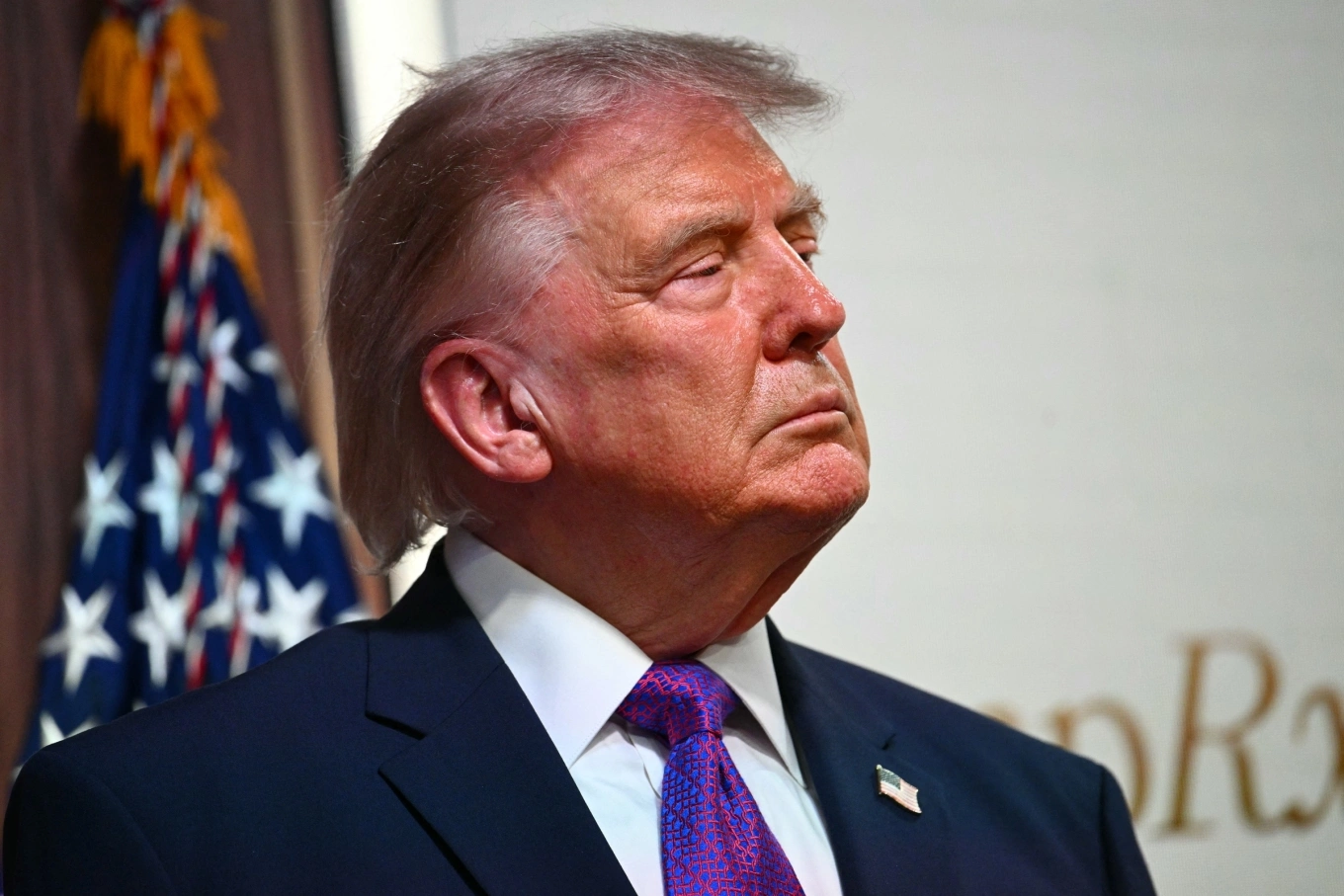
If Canada successfully navigates this superpower crossfire, its strategy could serve as a valuable model for other Western nations. Middle powers everywhere are desperately seeking blueprints to maintain economic sovereignty in an increasingly fractured and nationalistic global order.
The rhetoric radiating from the U.S. Commerce Department underscores a broader shift toward raw economic nationalism in American foreign policy. Treaties and long-standing alliances are increasingly viewed through a strictly transactional lens, forcing traditional partners to adapt or face sudden marginalization.
This environment leaves no room for diplomatic sentimentality or reliance on historical goodwill between neighbors. Canada’s survival in this aggressive continental marketplace depends entirely on its capacity to generate tangible economic leverage of its own.
Investing in domestic innovation and infrastructure is increasingly seen as the most viable long-term solution to foreign economic pressure. By upgrading its own processing facilities, Canada could export finished, high-value goods rather than raw resources, significantly increasing its global market power.
Such an industrial transition would require massive capital investments and a coordinated national strategy spanning multiple provinces. However, proponents argue it is the only way to break the cycle of dependency that currently leaves Canada vulnerable.
As the sun sets over Ottawa’s Parliament Hill, the weight of these interconnected economic challenges hangs heavily in the air. Bureaucrats and senior advisers continue to draft competing policy papers, weighing the immediate costs against long-term strategic sovereignty.
The choices made in the coming weeks will reverberate through Canadian communities for a generation, shaping factories and farms alike. In this high-stakes game of global chess, standing still is no longer a viable option for a nation at a crossroads.






