Far-Right Vigilante Actions on Northern French Coast Raise Alarm Among Authorities
French and British officials are confronting a new source of tension along the Channel coast after a series of vigilante actions by a fringe group calling itself Raise the Colours targeted migrant crossings in northern France, prompting condemnation and renewed concerns over public order.
According to French authorities, masked individuals believed to be affiliated with the group have carried out nighttime raids on beaches near Calais and Dunkirk, areas that have long served as departure points for migrants attempting to reach the United Kingdom by small boat. In videos circulated online, individuals can be seen damaging inflatable dinghies, slashing rubber hulls and interfering with equipment believed to be used in Channel crossings.
Officials in France described the actions as unlawful and potentially dangerous. In a statement issued earlier this year, the French Interior Ministry said such interventions “pose a serious threat to public order” and risk escalating already sensitive conditions in the region. In January, French authorities imposed entry bans on several individuals suspected of involvement, citing concerns about cross-border vigilantism.

The incidents appear to reflect a broader shift in tactics among some far-right groups, moving beyond online rhetoric and protest into direct action. Analysts say the emergence of such activity is closely tied to ongoing political tensions over migration, particularly in Britain, where the number of small-boat crossings has become a focal point of national debate.
The English Channel remains one of the world’s busiest shipping lanes, and its narrowest points have increasingly been used by migrants seeking to reach British shores. Despite coordinated efforts between London and Paris to curb crossings, the issue has persisted, fueling frustration among some political activists and communities.
The group’s actions have drawn criticism not only from government officials but also from humanitarian organizations working in the region. Aid groups warned that interference with boats and equipment could increase the risk to migrants, many of whom already attempt the crossing in precarious conditions. “These journeys are dangerous enough,” said one volunteer affiliated with a relief organization operating near Calais. “Any additional disruption can have serious consequences.”
British officials have also distanced themselves from the vigilante activity. While emphasizing the need to address irregular migration, they have reiterated that enforcement must remain the responsibility of state authorities. A spokesperson for the Home Office said that “unauthorized actions by private individuals undermine coordinated efforts and can complicate international cooperation.”
The rhetoric associated with some of the group’s messaging has further heightened concern. References circulating in online posts linked to the group echo themes that researchers associate with extremist narratives, including conspiratorial claims about demographic change. Experts caution that such language can contribute to radicalization and increase the likelihood of confrontational actions.
“This is an example of how online discourse can translate into real-world behavior,” said a scholar who studies political extremism in Europe. “When groups frame an issue in existential terms, it can justify actions that would otherwise be widely rejected.”
Residents in coastal areas have expressed mixed reactions. Some have voiced unease about the presence of masked groups operating at night, while others, frustrated by the ongoing migration situation, have expressed sympathy for calls for stronger enforcement — though not necessarily for vigilantism itself.
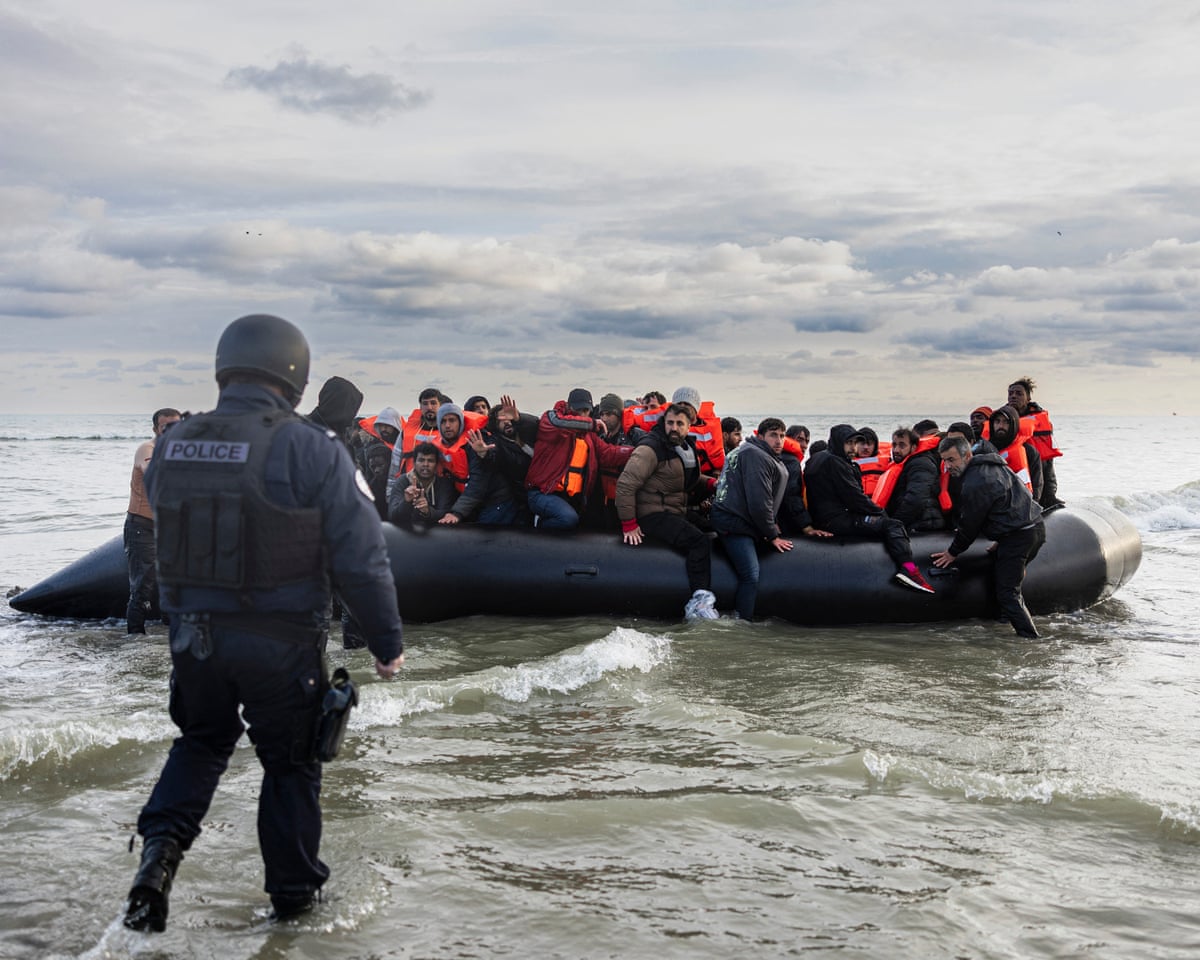
The developments come amid ongoing diplomatic coordination between France and the United Kingdom aimed at addressing Channel crossings through increased patrols, intelligence sharing and financial agreements. Officials on both sides have stressed that cooperation, rather than unilateral or extralegal action, remains the most effective approach.
For now, authorities are continuing to monitor the situation closely, with French law enforcement increasing patrols in affected areas and reviewing footage to identify those involved. Additional measures, officials say, remain under consideration should the activity persist.
The emergence of vigilante interventions adds a new layer of complexity to an already contentious issue, highlighting the challenges governments face in balancing enforcement, humanitarian concerns and public sentiment. As tensions continue, the response from authorities — and the extent to which such actions are deterred — may shape the trajectory of the debate in the months ahead.






