The UK Government is urgently developing contingency plans for a “reasonable worst-case scenario,” amid growing fears that the conflict involving Iran could lead to a prolonged closure of the Strait of Hormuz. Any disruption to this critical maritime route would pose a direct threat to global supply chains—particularly the supply of CO2 gas essential to the UK’s food industry.
Risk of Food and CO2 Shortages
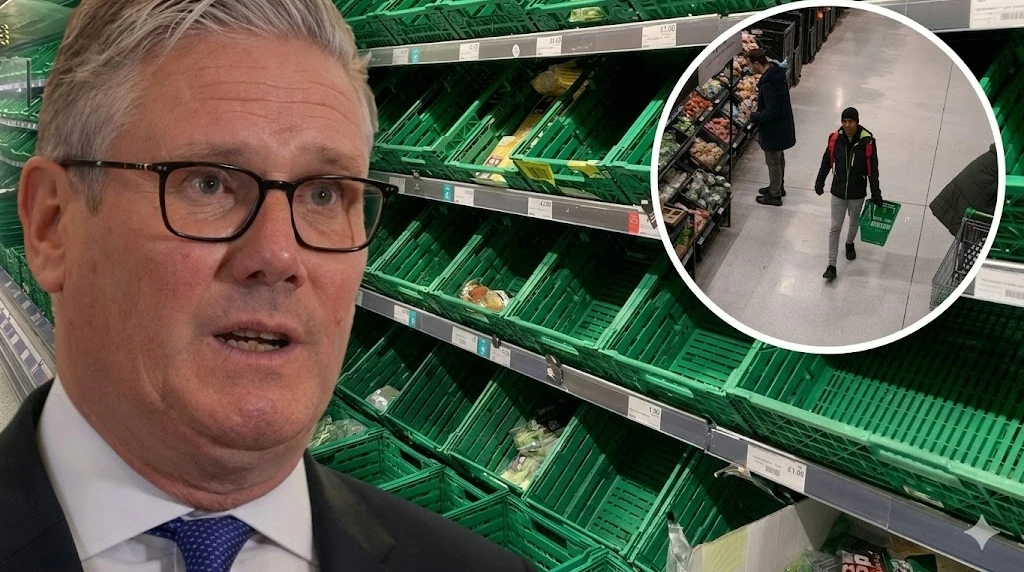
According to a front-page report by The Times, an internal government operation codenamed “Operation Turnstone” has been activated. If the Strait of Hormuz is blocked and global supply routes are disrupted, the UK could face severe shortages of supermarket staples such as chicken, pork, and other food products as early as this summer.
CO2 plays a vital role in the food supply chain, from preserving meat freshness to packaging processes. The situation is further compounded by trade pressures linked to policies introduced by former U.S. President Donald Trump and ongoing security threats near the Bab el-Mandeb Strait, where Houthi forces have been linked to missile activity.
Speaking to GB News, Business and Trade Secretary Peter Kyle confirmed the existence of contingency plans, stating that preparations began in early March. As part of these efforts, the Department for Business has invested in restarting a bioethanol plant in Teesside, a facility that produces CO2 as a byproduct and had previously been shut down. Kyle noted that the plant is now operating at full capacity and can supply more than 50% of the UK’s domestic CO2 demand.
Mounting Pressure from Tax Policies
Alongside the supply chain concerns, the government is also facing intense domestic economic pressure. A recent report by the International Monetary Fund revealed that Chancellor Rachel Reeves is raising taxes in the UK at the fastest rate in the world—reportedly three times faster than in France.
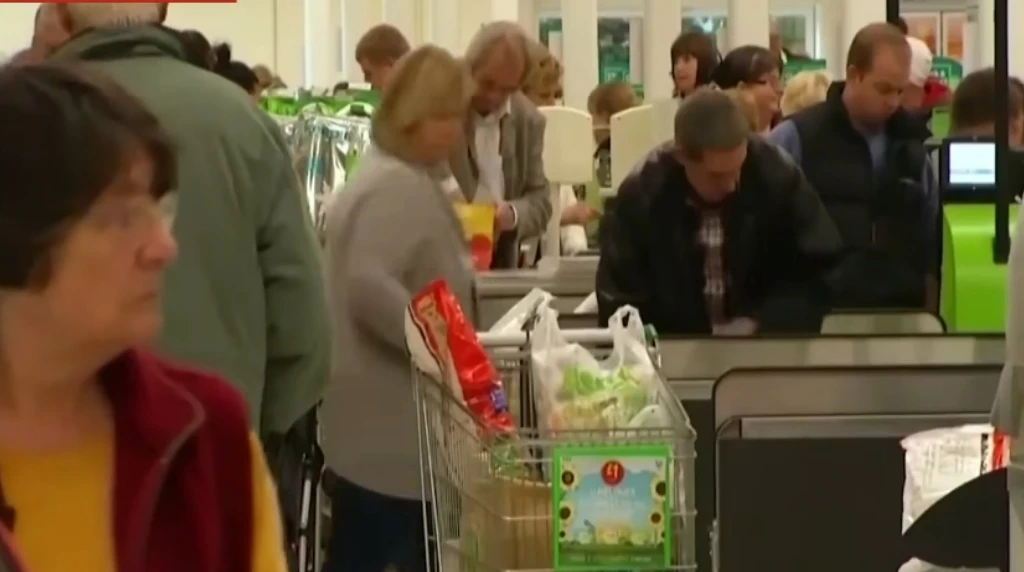
While the government insists it has not increased direct income taxes, the freezing of tax thresholds amid inflation has effectively pushed more people into higher tax brackets, intensifying financial strain. At the same time, rising indirect taxes are impacting rent, mortgages, and overall living costs.
Experts warn that household financial resilience is now dangerously low. Even a modest rise in food prices—triggered by potential shortages—could push many families to the brink.
Peter Kyle defended the government’s approach, arguing that tax increases are necessary to fill a “massive gap” in public finances left by the previous administration. He emphasized the need for investment in strategic industries, such as CO2 production, to strengthen economic resilience. He also noted that the UK has chosen not to participate in U.S.-led military actions involving Iran, instead focusing on stabilizing its domestic economy.
The government now faces the delicate challenge of balancing food, energy, and national security concerns while attempting to ease the growing cost-of-living pressures on households in an increasingly volatile global landscape.






