Why This Mélanie Joly Speech Is Going To FRUSTRATE Trump
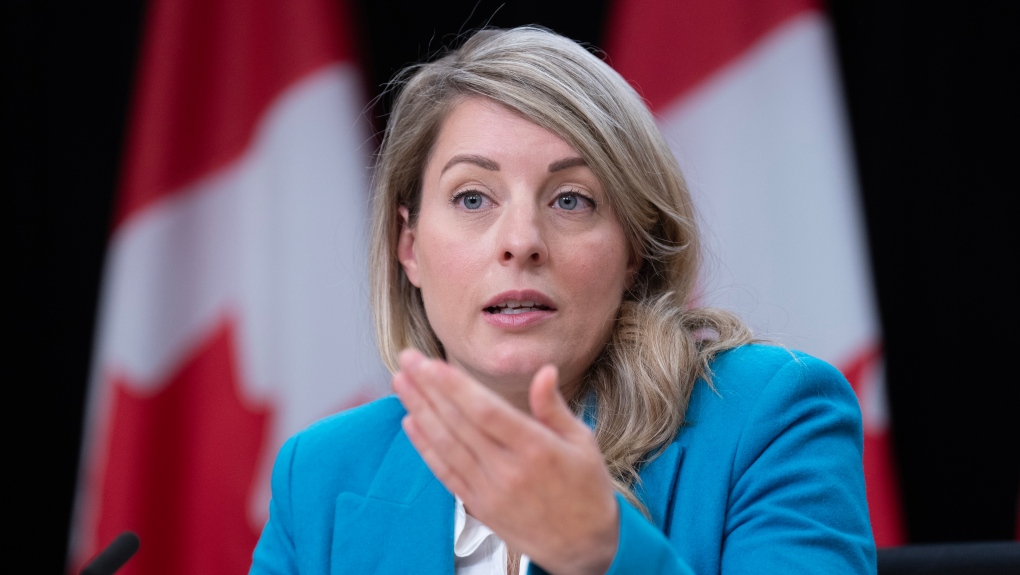
OTTAWA — Foreign Minister Mélanie Joly delivered a pointed address this week outlining Canada’s ambitious new defense industrial strategy, signaling a determined push for greater military self-reliance amid ongoing tensions with the United States.
The speech, which referenced Canada’s World War II industrial mobilization, framed the current moment as a defining geopolitical turning point requiring bold action.
Sovereignty at the Core
Ms. Joly repeatedly emphasized the theme of sovereignty, declaring that Canada must develop its own technological capabilities rather than remain dependent on foreign suppliers. The government’s $500 billion defense industrial strategy aims to create 125,000 jobs while building intellectual property and manufacturing capacity domestically.
The minister made clear that this is not a short-term initiative but a long-term nation-building project designed to prepare Canada for an increasingly uncertain world.
Response to External Pressures
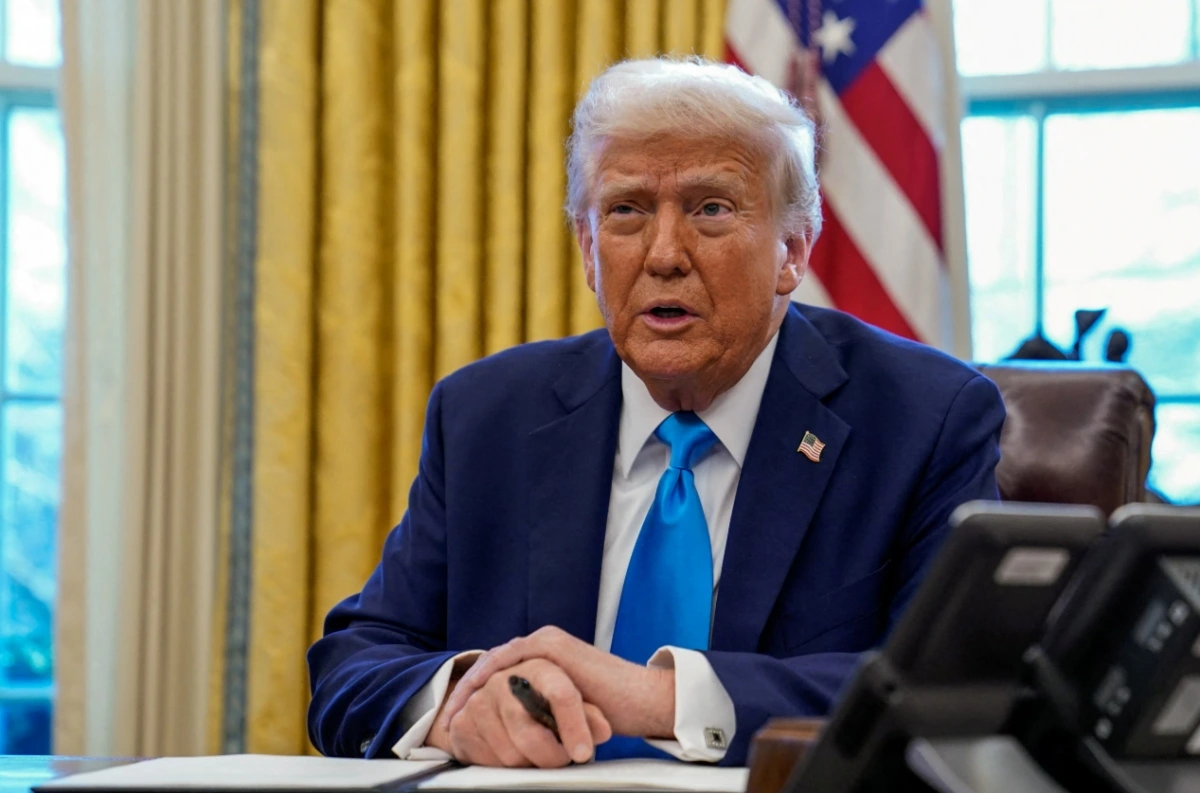
The address came against the backdrop of U.S. tariffs and economic uncertainty originating from Washington. Ms. Joly noted that recent decisions by the Trump administration had made it “unmistakably clear” that Canada cannot afford to be passive.
While avoiding direct criticism of the United States, her remarks underscored Ottawa’s resolve to reduce vulnerability to external economic shocks.
Historical Parallel
Drawing on Canada’s wartime experience, Ms. Joly reminded the audience that in 1943, nearly 900,000 Canadians — many of them women — were producing planes, vehicles and munitions at an extraordinary pace. She argued that the same spirit of industrial mobilization is needed today to meet contemporary security challenges.
Defense Spending Milestone
Canada has now met its 2 percent NATO spending target, a goal achieved within the last fiscal year. Ms. Joly highlighted joint projects with allies and investments in Canadian firms developing advanced technologies, from jet trainers to underwater surveillance systems.
Strategic Partnerships
The government is identifying “strategic partners” — Canadian companies with proven track records, strong commercialization potential and alignment with national values. These firms will receive preferential treatment in major defense procurement projects.
Economic Stimulus Angle
Ms. Joly positioned the defense strategy as an economic response to the trade war, particularly supporting workers in sectors like automotive, steel and aluminum that have been affected by U.S. tariffs. The plan aims to create new opportunities while addressing immediate job losses.
Message of Resilience
The foreign minister stressed that Canada is not merely adapting to a changing world but positioning itself to help shape it. A stronger, more sovereign Canada, she argued, will be more competitive, more resilient and better able to defend its interests and values.
Shift in Approach
For decades, Canada often relied heavily on its southern neighbor for defense technology and supply chains. The current strategy represents a deliberate move toward greater autonomy, even as NATO commitments remain firm.
Political Context
The speech reflects the Carney government’s broader foreign policy of diversification. By investing in domestic capabilities and seeking new partnerships, Ottawa aims to reduce strategic risks associated with over-dependence on any single country.
International Dimension
While the strategy focuses on Canadian industry, it does not signal isolation. Canada continues to work closely with European allies and other partners on joint projects, including pilot training and advanced surveillance technologies.
Challenges Ahead
Significant hurdles remain, including securing private sector participation, managing costs and navigating complex procurement rules. Critics question whether the ambitious job creation targets can be met in a reasonable timeframe.
Trump Administration Reaction
The emphasis on sovereignty and reduced dependence is likely to frustrate officials in Washington, who have viewed Canada as a reliable partner in continental defense. The timing, amid ongoing trade disputes, adds another layer of tension to bilateral relations.
Domestic Support
Many Canadian businesses and workers in the defense sector have welcomed the strategy, seeing it as an opportunity for growth and technological advancement. Provincial governments are also expected to play key roles in implementation.
Long-Term Vision
If successful, the defense industrial strategy could transform Canada from a consumer of foreign military technology into a producer and exporter. This shift would strengthen both economic security and national autonomy.
Geopolitical Significance
The speech underscores a broader trend among middle powers seeking greater strategic flexibility in an era of great-power competition. Canada is not abandoning alliances but recalibrating them to better serve its own interests.
Conclusion
Mélanie Joly’s address was more than a policy announcement. It was a declaration of intent: Canada will no longer simply react to global pressures but will actively build the capabilities needed to navigate an uncertain future.
Whether this ambitious vision delivers results remains to be seen. What is already clear is that Canada’s approach is evolving, with sovereignty and self-reliance now central to its defense and economic strategy.






