‘Will Work Even More Closely…’: Japanese Minister Stuns Trump, White House With Pro-Canada Move
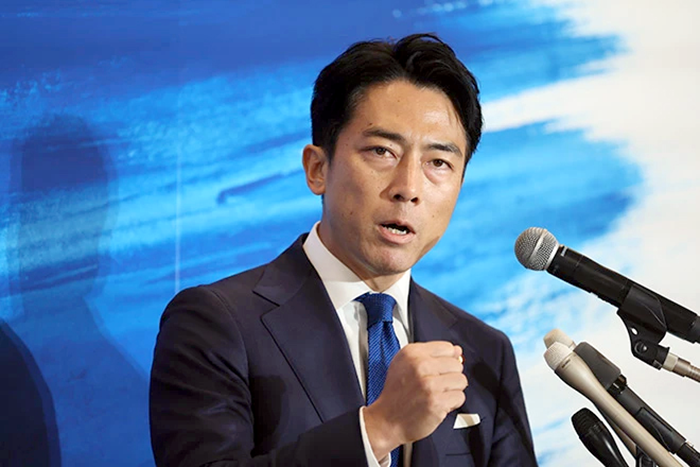
TOKYO — Japan’s Defense Minister delivered a notably warm endorsement of closer ties with Canada during a public appearance, declaring that Tokyo intends to “work even more closely” with Ottawa in the Indo-Pacific and beyond.
The comments, made in response to questions about regional cooperation, stood out for their explicit enthusiasm at a time when U.S.-Canada relations remain strained under the Trump administration.
Strategic Alignment
The minister highlighted upcoming meetings with his Canadian counterpart and emphasized the importance of deepening defense and security cooperation. He described Canada as a key partner in maintaining openness and freedom in the Indo-Pacific, noting that regional issues are increasingly interconnected with the North Atlantic.
This public affirmation comes as Japan expands its defense partnerships across multiple fronts, including the Quad, the Philippines and Indonesia.
Quad Expansion
The minister expressed hope for elevating Quad cooperation, including potential defense ministers’ meetings. Japan recently hosted Quad foreign ministers’ talks and is pushing for broader security collaboration among the United States, Japan, India and Australia.
He also confirmed progress on defense equipment transfers with the Philippines and the establishment of a working group with Indonesia on technology cooperation.
Canada as a Partner
In remarks that drew attention in Washington, the minister singled out Canada as a priority partner. He referenced a recent meeting at the Munich Security Conference and expressed anticipation for further discussions during the Canadian minister’s planned visit to Japan.
The language suggested Japan views Canada not merely as a bilateral partner but as an important player in linking Indo-Pacific security with transatlantic concerns.
Context of U.S. Tensions
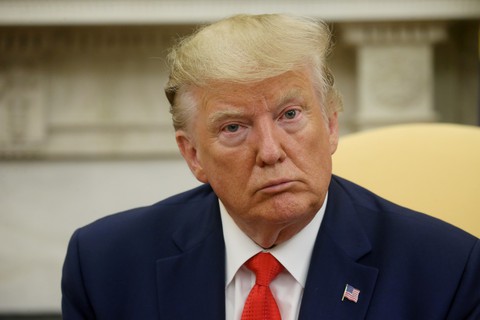
The comments arrive amid ongoing friction between the United States and Canada. The Trump administration has imposed tariffs on Canadian goods and suspended long-standing defense mechanisms, prompting Ottawa to accelerate diversification efforts toward Europe and Asia.
Japan’s overture highlights how traditional U.S. allies are navigating these tensions by strengthening alternative relationships.
Broader Indo-Pacific Strategy
Japan has been steadily expanding its defense footprint. Recent initiatives include transferring frigates to the Philippines and deepening technology ties with Indonesia. These moves align with Tokyo’s efforts to build a network of like-minded partners in response to regional security challenges.
The minister stressed that Japan’s defense buildup is not aimed at any specific country but is driven by the need for transparency and stability in the region.
China Policy
When asked about China, the minister acknowledged Beijing’s rapid military expansion and lack of transparency as “serious concerns” for Japan and the international community. However, he advocated for continued dialogue, noting that he had recently met his Chinese counterpart and remains open to communication on difficult issues.
This balanced approach — firm on security concerns while keeping channels open — reflects Japan’s longstanding China strategy.
Implications for Washington
The Japanese minister’s warm words toward Canada may raise eyebrows in the White House. As the Trump administration pressures Ottawa on trade and defense issues, key Asian allies appear eager to deepen ties with Canada.
Analysts say Japan’s move underscores a broader trend: U.S. partners are hedging against uncertainty in American policy by building parallel relationships.
Canada’s Diversification
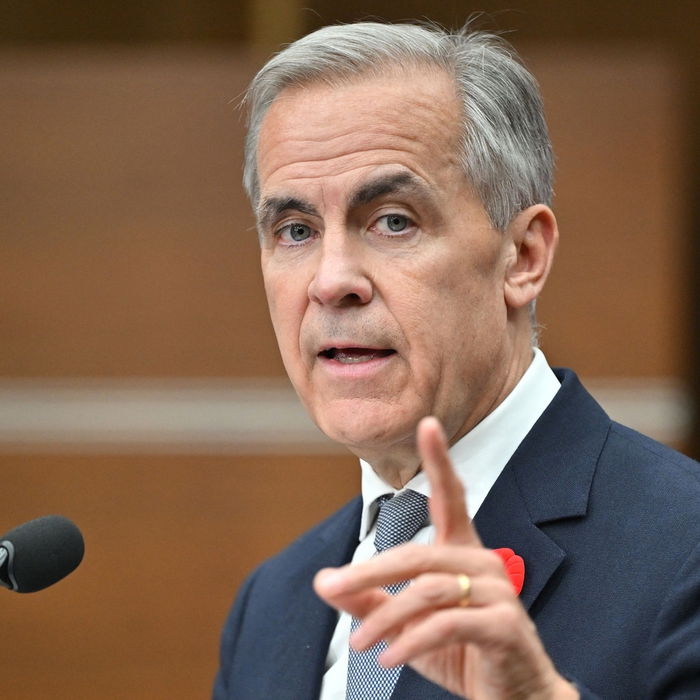
Prime Minister Mark Carney has made strategic diversification a centerpiece of his foreign policy. Canada has pursued deeper defense and trade cooperation with European and Indo-Pacific partners while maintaining that the United States remains an important ally.
The Japanese endorsement provides diplomatic validation for this approach.
Security Architecture
Japan and Canada share interests in Arctic security, maritime domain awareness and rules-based international order. Both nations are increasing defense spending and seeking to enhance interoperability with like-minded partners.
Economic and Strategic Ties
Beyond security, Japan and Canada are exploring opportunities in critical minerals, supply chain resilience and technology cooperation — areas where both countries seek to reduce dependencies on single sources.
A Signal to Allies
The minister’s comments send a clear signal that Japan values Canada as a reliable partner in an increasingly complex global environment. This public support may encourage other nations to strengthen their own ties with Ottawa.
Domestic Japanese Context
Japan’s defense policy has evolved significantly in recent years, with increased spending, relaxed export restrictions and deeper alliances. The outreach to Canada fits into this proactive posture.
U.S. Reaction
The White House has not publicly responded to the Japanese minister’s remarks. However, officials are likely monitoring the growing alignment between Canada and key U.S. allies in Asia.
Future Cooperation
Both sides are expected to expand practical cooperation in the coming months, including potential joint exercises, intelligence sharing and industrial collaboration.
Geopolitical Realignment
The episode reflects a larger pattern of middle powers forging closer ties amid uncertainty in U.S. leadership. As traditional alliances face stress, new configurations are emerging across the Indo-Pacific and beyond.
Long-Term Outlook
For Canada, warmer relations with Japan offer economic opportunities and enhanced security in the Indo-Pacific. For Japan, Canada represents a stable, resource-rich partner that shares democratic values and strategic concerns.
As global power dynamics shift, such partnerships may become increasingly important for maintaining stability and open sea lanes.






