World Cup 2026 Crisis Explodes: Visa Bans, Boycotts, and Mass Cancellations Shake FIFA’s Biggest Tournament
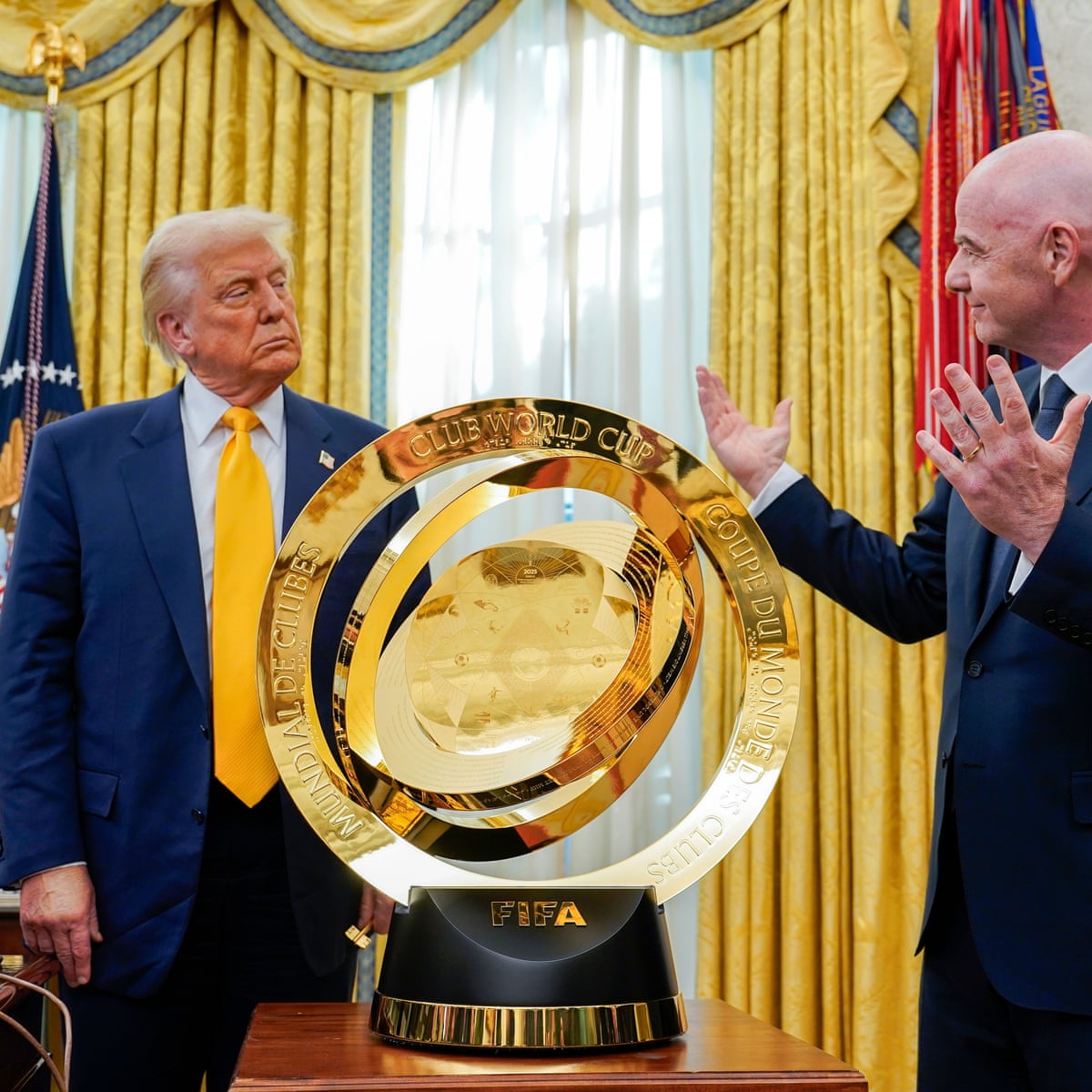
The countdown to the FIFA World Cup 2026 was meant to be a celebration of scale, unity, and global passion. Instead, with less than a year to go, the largest tournament in football history is facing an unexpected and escalating crisis—one defined not by injuries or tactics, but by politics, access, and trust.
When FIFA announced more than 500 million ticket applications, the number was heralded as a triumph. It reflected a global appetite unmatched in sporting history. With 48 teams competing across United States, Canada, and Mexico, the 2026 edition promised to redefine what a World Cup could be.
But that promise is now under strain. A series of political decisions, most notably sweeping visa restrictions tied to policies under Donald Trump, have begun to reshape the narrative. What was marketed as the most inclusive World Cup in history is increasingly viewed, in some corners of the world, as uncertain and inaccessible.
The turning point came quietly, then all at once. Following a controversial immigration enforcement incident in Minneapolis that drew global attention, confidence began to erode. During FIFA’s third ticket allocation phase, more than 16,000 applicants withdrew. In percentage terms, it was small. Symbolically, it was enormous.
Fans were not abandoning football—they were questioning whether they would be welcomed. For many, the issue was not the sport itself but the conditions surrounding it. Safety, predictability, and dignity—intangibles often taken for granted—suddenly became decisive factors in whether to attend.
That hesitation intensified after new visa policies emerged. Entry restrictions affecting dozens of countries, increased application fees, and unclear processing timelines have created a logistical maze for international supporters. For fans in Africa, the Middle East, and parts of Asia, attending the World Cup has become less a dream and more a gamble.
The financial stakes are steep. Travel bookings must be made months in advance, often at inflated prices. Hotel rates in some host cities have surged by over 300 percent. Yet even after committing thousands of dollars, many applicants face the possibility of delayed or denied visas. For families and individuals, the risk is simply too high.
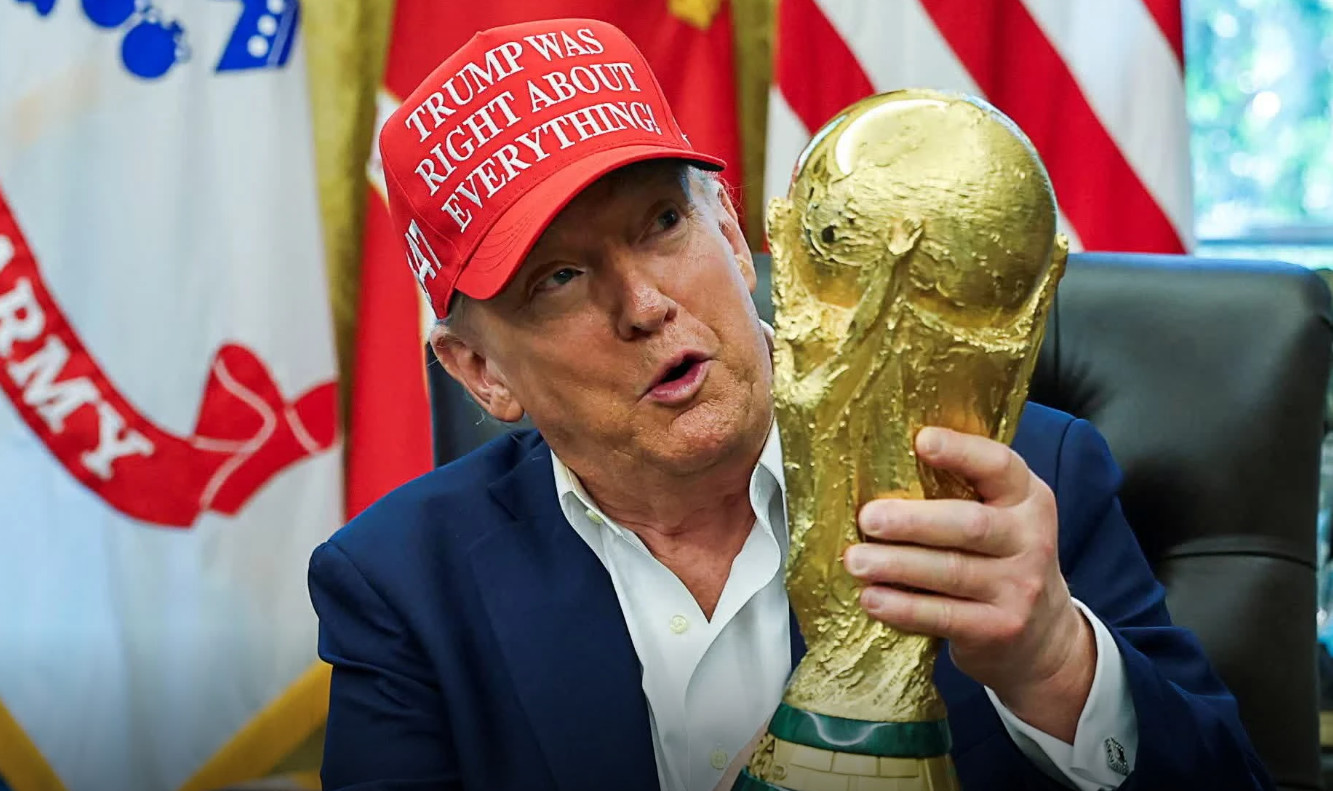
The backlash has not remained confined to private decisions. It has become visible, even theatrical. In one widely circulated moment, a diplomat publicly tore up his World Cup ticket—a gesture that resonated far beyond its simplicity. It captured a growing sentiment: that participation in the tournament is no longer purely about sport.
Social media has amplified that message. Platforms like TikTok and Instagram now juxtapose FIFA’s promotional campaigns with user-generated footage of immigration raids and visa frustrations. For younger audiences especially, the contradiction is stark—celebration on one screen, exclusion on the next.
Human rights organizations, including Amnesty International and Human Rights Watch, have added their voices, criticizing policies they argue conflict with the inclusive ethos of global sport. The hashtag #boycott2026 has gained traction, signaling that dissatisfaction is no longer fringe—it is entering the mainstream.
Corporate sponsors are watching closely. Brands with billions invested in the tournament’s success are quietly adjusting strategies, shifting promotional efforts toward Canadian and Mexican host cities. It is not a public rebuke, but it is a calculated hedge against uncertainty—an acknowledgment that perception matters as much as attendance.
Inside FIFA, the tension is palpable. Officials have reiterated that football transcends politics, yet contingency planning is reportedly underway. The possibility of reallocating matches—away from certain U.S. cities and toward alternative venues—has entered internal discussions, even if publicly unconfirmed.
Meanwhile, Canada and Mexico are emerging as stabilizing counterparts. Both countries have emphasized clearer visa processes and consistent messaging around hospitality. Cities like Toronto, Vancouver, and Guadalajara are seeing rising interest, suggesting a subtle but meaningful shift in where fans feel most welcome.
The stakes extend far beyond stadium gates. Economists estimate the tournament could generate tens of billions in economic activity and support hundreds of thousands of jobs. A significant drop in international attendance would ripple through hospitality, transportation, and retail sectors—affecting not just corporations, but small businesses and workers.

Yet the deeper issue is not financial. It is reputational. For decades, the United States has used global events to project openness and leadership. A World Cup overshadowed by access barriers risks undermining that image, not through a single incident, but through a steady accumulation of doubt.
None of this guarantees failure. The infrastructure is being built. The teams will qualify. The matches will be played. But the composition of the crowd—the diversity, the atmosphere, the sense of global unity—remains uncertain.
At its core, the World Cup has always been more than a tournament. It is a shared experience, a rare moment when the world gathers in one place. When that gathering becomes conditional, the meaning of the event begins to shift.
As 2026 approaches, the question facing FIFA is no longer just logistical—it is philosophical. Will the organization prioritize inclusivity, even if it requires difficult decisions? Or will it preserve the current structure and risk alienating parts of its global audience?
The answers will shape more than a single tournament. They will define how the world’s most popular sport navigates a future where politics and play are increasingly intertwined—and where trust, once lost, is far harder to rebuild than any stadium.






