Canada’s Strategic Pivot Toward Europe Signals a New Era in North American Relations
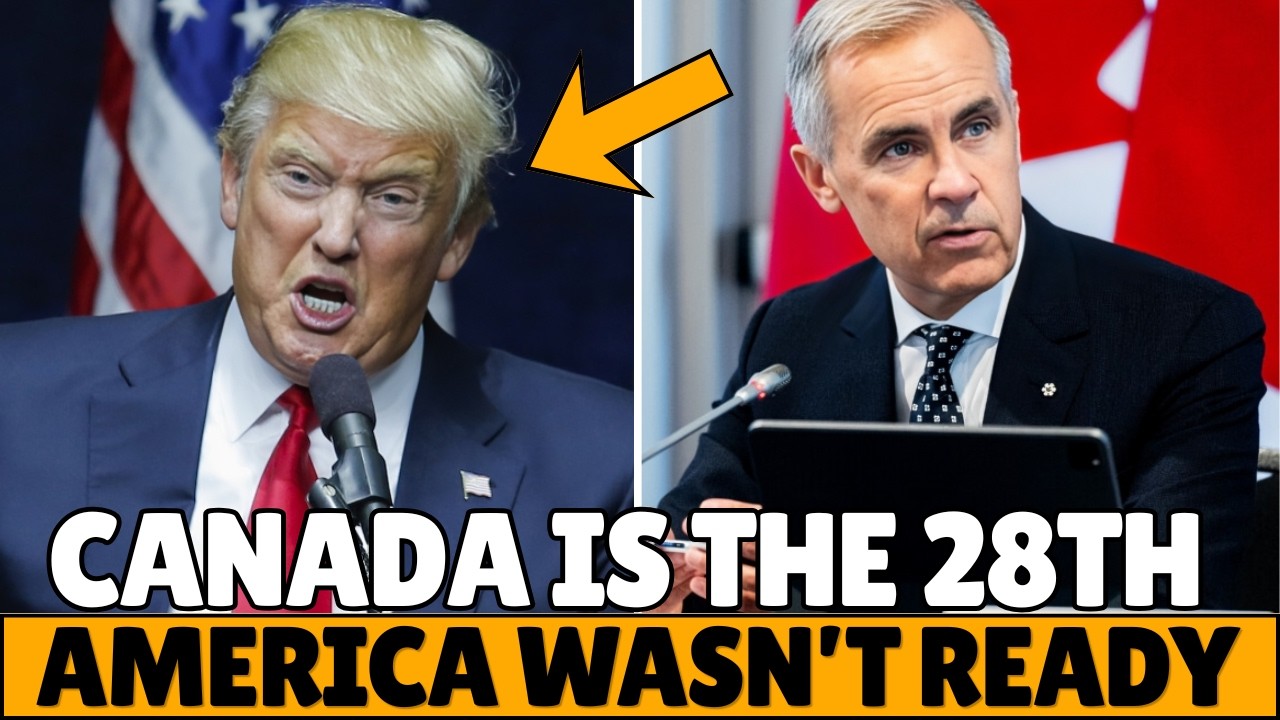
For generations, the relationship between Canada and the United States has been regarded as one of the closest and most stable partnerships in modern history. Bound by the world’s longest undefended border, deep economic integration, shared security commitments, and strong cultural ties, the two nations developed a level of cooperation that many policymakers considered virtually unbreakable.
Today, however, political analysts and diplomatic observers are increasingly debating whether that long-standing assumption is beginning to change.
A growing body of evidence suggests that Canada is pursuing a strategic effort to reduce its dependence on the United States while simultaneously strengthening political, economic, and security ties with Europe and other global partners. While the shift is gradual rather than dramatic, its implications could reshape the future of North American geopolitics.
The discussion gained momentum after reports and commentary from major international media outlets highlighted Canada’s expanding engagement with European institutions and governments. Some observers have even described Canada as behaving like an “unofficial European partner,” reflecting the country’s increasingly active role in transatlantic affairs.
The catalyst for this transformation has been a period of heightened tensions between Ottawa and Washington. Trade disputes, tariff threats, and increasingly confrontational political rhetoric have raised concerns among Canadian policymakers about the long-term reliability of their most important ally and trading partner.
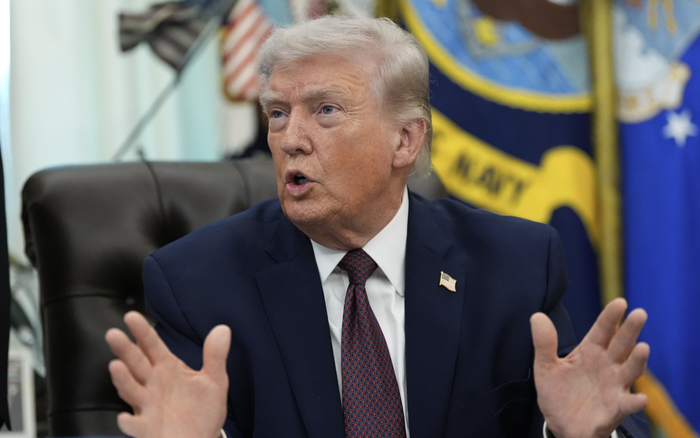
Former U.S. President Donald Trump’s return to national politics intensified many of these concerns. His administration’s aggressive approach toward trade negotiations, combined with repeated references to Canada as a potential “51st state,” generated significant political backlash north of the border.
While many Americans viewed such remarks as political theater, Canadian leaders and voters often interpreted them as signs of growing unpredictability in the bilateral relationship.
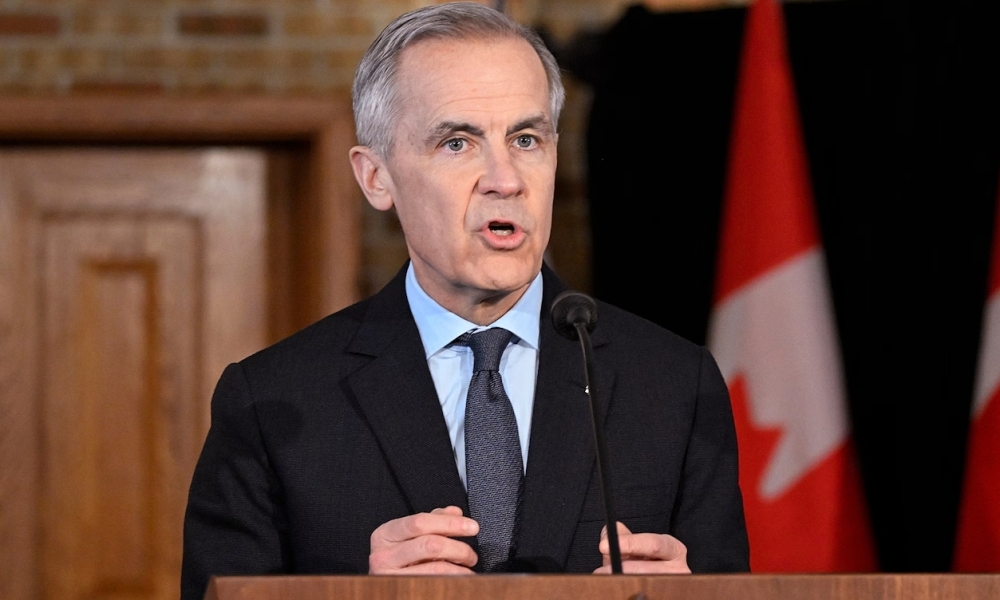
In response, Canadian Prime Minister Mark Carney has increasingly emphasized the importance of economic diversification, strategic resilience, and international partnerships beyond North America.
Unlike traditional politicians who focus primarily on short-term electoral cycles, Carney has cultivated a reputation as a long-term strategist. His background in global finance and central banking has shaped an approach centered on risk management, stability, and institutional resilience.
Under this framework, Canada’s evolving foreign policy appears less focused on confronting the United States and more focused on reducing vulnerabilities associated with excessive dependence on a single partner.
This strategy has become increasingly visible through expanded cooperation with European governments, enhanced trade discussions, and growing collaboration on defense, energy, and critical supply chains.
For European leaders, Canada presents an attractive partner.
The country possesses vast reserves of energy, critical minerals, advanced technological capabilities, and a highly educated workforce. At a time when Europe is seeking to strengthen economic security and reduce strategic dependencies, Canada offers both stability and reliability.
Many European policymakers also view Canada as a natural partner because of shared democratic institutions, regulatory standards, and political values.
As a result, political dialogue between Ottawa and European capitals has intensified considerably over the past several years.
Trade diversification has emerged as a particularly important element of Canada’s strategy.
Historically, approximately three-quarters of Canadian exports were destined for the United States. While geographic realities ensure that America will remain Canada’s largest trading partner for the foreseeable future, policymakers increasingly recognize the risks associated with excessive concentration.
Expanding access to European and Asian markets is therefore viewed not only as an economic opportunity but also as a matter of national resilience.
The broader geopolitical environment has reinforced this trend.
Both Europe and Canada have witnessed growing uncertainty regarding the future direction of American foreign policy. Changes in leadership, shifting trade priorities, and domestic political polarization have contributed to questions about Washington’s long-term predictability.
For countries that rely heavily on stable international partnerships, such uncertainty encourages diversification.
Importantly, Canada’s evolving strategy should not be interpreted as an anti-American movement.
The economic, cultural, and security ties between the two countries remain extraordinarily deep. Millions of families, businesses, and communities continue to operate across the border, creating connections that no single political dispute can erase.
Rather than abandoning the United States, Canada appears to be pursuing a more balanced approach that provides greater strategic flexibility.
This distinction is critical.
The debate is not about replacing America with Europe. It is about ensuring that Canada has alternatives if future political disruptions threaten key economic or security interests.
Such calculations are common in international affairs. Nations routinely seek to diversify trade partners, strengthen multiple alliances, and reduce strategic vulnerabilities.
What makes Canada’s case particularly significant is the scale of its historical reliance on the United States.
For decades, many observers assumed that the relationship was so strong that meaningful diversification was neither necessary nor possible.
That assumption is now being tested.
The most important developments may not be the highly publicized political speeches or diplomatic headlines. Instead, the real transformation is occurring through policy decisions, infrastructure investments, trade agreements, and long-term institutional partnerships.
These changes often attract little public attention, yet they can alter geopolitical realities over time.
Whether Canada ultimately emerges as a more globally connected middle power or remains primarily oriented toward North America, one conclusion is becoming increasingly difficult to ignore.
The era of automatic assumptions about U.S.-Canada relations may be ending.
What is emerging in its place is a more complex relationship—one still rooted in friendship and cooperation, but increasingly shaped by strategic calculations, economic diversification, and a changing international order.
As global power dynamics continue to evolve, Canada’s quiet pivot toward a broader network of partnerships could become one of the defining geopolitical stories of the decade.