The segment quickly gained traction on social media after clips circulated online, prompting both strong support and fierce criticism. Supporters argued that the discussion highlights unresolved questions surrounding past investigations, while critics warned that inflammatory rhetoric risks oversimplifying a complex issue and unfairly targeting communities.
The debate centers on grooming gang cases uncovered in cities such as Rotherham and Rochdale, where large-scale investigations in the 2000s and early 2010s revealed systemic failures by authorities to protect vulnerable young people from sexual exploitation. Independent inquiries later concluded that local institutions—including police, social services, and local councils—missed opportunities to intervene earlier.
TV & Video
One of the most widely cited investigations was the independent inquiry led by Professor Alexis Jay, which examined child sexual exploitation in Rotherham between 1997 and 2013. The report concluded that approximately 1,400 children may have been victims during that period, and it identified serious institutional shortcomings that allowed abuse to continue for years without sufficient response.
Since those findings were published, several government reviews and police operations have taken place. Numerous offenders have been prosecuted and convicted in connection with grooming gang cases across different parts of England. However, critics continue to argue that broader accountability and lessons learned remain incomplete.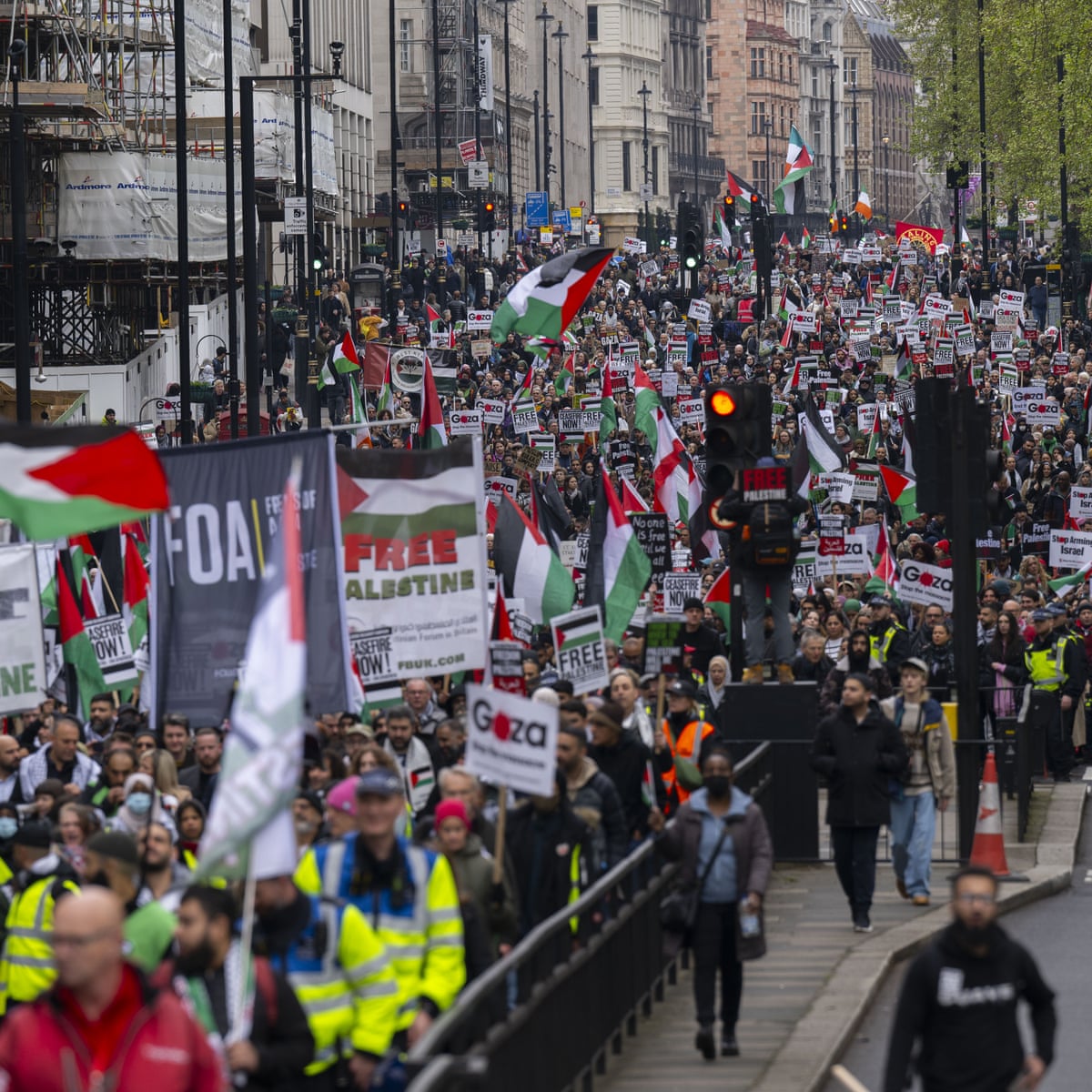
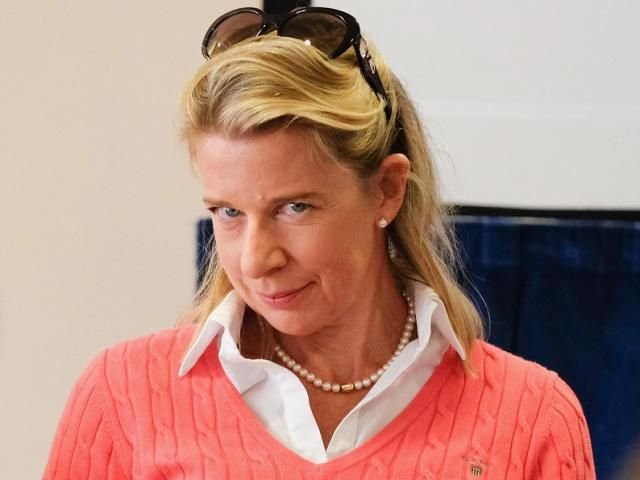
Hopkins’ televised comments placed particular emphasis on what she described as political reluctance to confront the issue openly. She argued that concerns about accusations of racism may have influenced how some institutions responded in the early stages of investigations. Similar concerns have previously been raised in various official reports, which noted that authorities sometimes feared community tensions or reputational damage when handling sensitive cases.
However, experts and community leaders caution against framing the issue in ways that stigmatize entire ethnic or religious groups. Researchers studying organized child exploitation note that offenders have come from many backgrounds and that focusing on one community risks distorting the reality of the problem.
Political responses to the renewed debate have been mixed. Members of Parliament from multiple parties have emphasized that child protection must remain the central focus and that victims deserve justice regardless of the perpetrators’ background. Some lawmakers have called for further national reviews into historical cases, while others argue that existing investigations have already led to significant reforms in safeguarding practices.
Government officials point to changes implemented over the past decade, including stronger multi-agency cooperation between police, social services, and schools. Training for frontline workers has also been expanded to help identify signs of exploitation earlier.
Advocacy groups representing survivors say that while improvements have been made, the voices of victims must remain central to any discussion. Several organizations continue to campaign for expanded support services, compensation mechanisms, and long-term psychological assistance for those affected.
The intense public reaction to Hopkins’ comments highlights how deeply emotional the issue remains in the UK. For many families and survivors, the debate is not simply political—it is about recognition, justice, and ensuring that institutional failures are never repeated.
As the conversation continues, analysts say the challenge for policymakers will be balancing open discussion of past mistakes with responsible public discourse that avoids inflaming social divisions. What remains clear is that the legacy of grooming gang cases continues to shape debates about safeguarding, accountability, and trust in public institutions across Britain.