LONDON — The British government has pushed back against comments from United States Vice President JD Vance regarding the stabbing death of Henry Novak, an 18-year-old university student killed in Southampton last December, rejecting suggestions that the case reflects broader failures in European immigration policy.
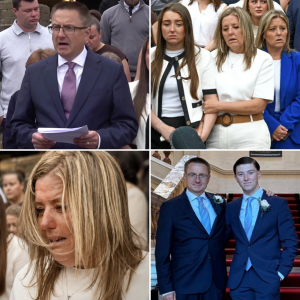
The incident has sparked protests, intense media scrutiny and a renewed debate over policing, community tensions and the limits of political commentary from abroad.
Mr. Novak died after being stabbed during an altercation with Vikram Digua. Prosecutors confirmed that Mr. Digua, the man convicted in the killing, was British-born.
According to police accounts and body camera footage released later, officers responding to the scene were told by Mr. Digua that Mr. Novak had racially abused him. Officers handcuffed Mr. Novak and initially did not attend to his wounds.
When they realized he had been stabbed, they began administering first aid, but Mr. Novak later died from his injuries. The handling of the response has become central to public outrage.
Vice President Vance weighed in on social media, describing Mr. Novak’s death as “enraging” and framing it as a symptom of deeper societal problems. He suggested the young man “should still be alive today” and would be if European leaders had resisted “the politics of self-hatred and the mass invasion of migrants.”
Despite the confirmed British birthplace of the perpetrator, Mr. Vance’s remarks linked the tragedy to wider immigration debates across Europe. He called for “righteous anger” in response.
A spokesperson for Prime Minister Keir Starmer’s office responded without naming Mr. Vance directly, stating that external figures were attempting to interfere in Britain’s democracy. The family of Mr. Novak has urged that his death not be exploited to fuel further division or hatred.
The case has drawn attention from other prominent Americans, including Elon Musk, whose posts on the platform he owns have amplified criticism of British authorities.
Protests following the release of body camera footage turned violent earlier this week. Police have charged additional individuals in connection with the unrest, bringing the total to at least six new cases.
Mr. Starmer has acknowledged that serious questions remain about the police response. An independent policing watchdog is investigating the officers’ actions, and a separate inquest is examining whether police conduct contributed to Mr. Novak’s death.
A pathologist who testified during the trial stated that no medical intervention could have saved the teenager’s life, a finding that has offered limited comfort amid public anger.
The episode highlights ongoing strains in British society over crime, policing and integration. Southampton, like other cities, has experienced tensions involving young people from diverse backgrounds.
Critics of the government, including figures on the right, have used the case to argue for tougher law-and-order policies and stricter controls on immigration and cultural accommodation.
Mainstream political parties, however, have called for calm and a measured response. They emphasize respecting the Novak family’s wishes while allowing official inquiries to proceed.
The back-and-forth with American political figures underscores the increasingly global nature of debates once considered domestic. British officials have grown sensitive to foreign commentary that they believe complicates domestic stability.
Public concern over knife crime remains high across the United Kingdom. High-profile cases involving young victims frequently ignite protests and demands for accountability.
Supporters of Mr. Vance’s intervention argue that international attention can pressure governments to address failures more urgently. Detractors say it oversimplifies complex local realities and risks inflaming tensions.
For the Novak family, the intense spotlight has added grief to an already devastating loss. Their plea for restraint has been echoed by some community leaders seeking to prevent further unrest.
As investigations continue, the case of Henry Novak is likely to remain a flashpoint. It touches on sensitive intersections of policing, race, justice and political rhetoric in a divided Britain.
Whether the inquiries will lead to meaningful reforms in police training and response protocols remains to be seen. For now, the tragedy continues to reverberate far beyond Southampton.
(Word count: 698)