A debate in the House of Commons has drawn attention to the scale of irregular migration and the challenges faced by the Home Office in monitoring individuals who enter the immigration system. Reform UK MP Rupert Lowe used the opportunity to present data suggesting significant numbers of people whose whereabouts are now unknown after being released from prison or immigration detention.

According to documents referenced by Lowe, as of October 2025 there were 53,298 irregular migrants recorded as having breached immigration bail conditions or absconded from detention. Within this group, 736 individuals are identified as foreign national offenders who had been released from prison and were due for deportation but subsequently disappeared.
Lowe emphasised that this subset includes people convicted of serious offences such as rape, murder and sexual crimes against children. He argued that the failure to maintain accurate records and to locate these individuals represents a serious lapse in public safety and border management.
During the session, Lowe detailed a series of parliamentary questions he had submitted to the Home Office over recent months. In several instances, ministers or officials responded that the requested information was not centrally held or could only be compiled at disproportionate cost. Lowe contrasted these replies with internal Home Office data obtained through a whistleblower, which appeared to contain precise figures on absconders.
He described the discrepancy as evidence that Parliament had been given incomplete or inaccurate information. Other MPs, including former Home Office ministers, intervened to express surprise that such basic statistics were not readily available to those responsible for immigration policy.
The debate also touched on specific recent cases. Lowe referred to the conviction of two Afghan nationals for the rape of a schoolgirl, an incident captured in disturbing detail by the victim herself. He cited another case involving an Iranian small boat arrival previously convicted of assault in Germany who went on to rape a 15-year-old girl in Britain. Such examples, he argued, illustrate the human cost when vetting and removal processes fall short.
Lowe noted that many women and parents across the country have contacted him expressing fear for their safety and that of their children when walking in certain areas or allowing unsupervised travel to school. He linked these concerns directly to the broader pattern of untracked irregular migration and the presence of unvetted individuals in communities.
The MP criticised what he described as a deliberate policy choice to accommodate large numbers of irregular arrivals at public expense while failing to ensure their swift removal or proper monitoring. He called the situation a national security issue that requires urgent and decisive action rather than continued concealment of data.
Several colleagues supported the call for greater transparency. One intervention highlighted the low attendance in the chamber during the debate, contrasting it with fuller sessions on other international topics. Lowe himself pointed out that only a handful of MPs were present while discussing what he termed the future safety of the United Kingdom.
The Home Office has not publicly confirmed the exact figures presented by Lowe, stating that it does not comment on speculation. However, the data Lowe cited was reportedly produced internally within the department and regularly circulated among officials.
Lowe announced his intention to continue pressing the issue and invited further whistleblowers to come forward through secure channels. He argued that sunlight and regular publication of accurate statistics would serve as the best remedy for what he described as systemic failures in immigration enforcement.
The debate occurs against a backdrop of ongoing public concern about migration levels and community cohesion in Britain. Recent high-profile cases of serious crime involving foreign nationals have intensified calls from various quarters for stricter border controls, faster deportations and improved tracking mechanisms once individuals enter the system.
Government representatives have previously acknowledged the pressures on the asylum and immigration system, citing backlogs, legal challenges and international obligations as complicating factors. Efforts to increase returns and improve data systems are said to be under way, though critics maintain that progress has been too slow and insufficiently transparent.
Lowe’s intervention forms part of a wider pattern of parliamentary scrutiny on immigration statistics. Similar questions have been raised by members across parties regarding the accuracy and accessibility of Home Office data on asylum claims, small boat crossings, removals and absconders.
The discussion also reflected differing views on the causes and solutions to irregular migration. While some speakers stressed the need for robust enforcement and deterrence, others pointed to the importance of upholding due process and international commitments.
Public safety remains a central theme. Lowe and supporting MPs argued that the presence of untracked individuals with criminal records in communities directly affects the ability of ordinary citizens, particularly women and children, to move freely without fear.
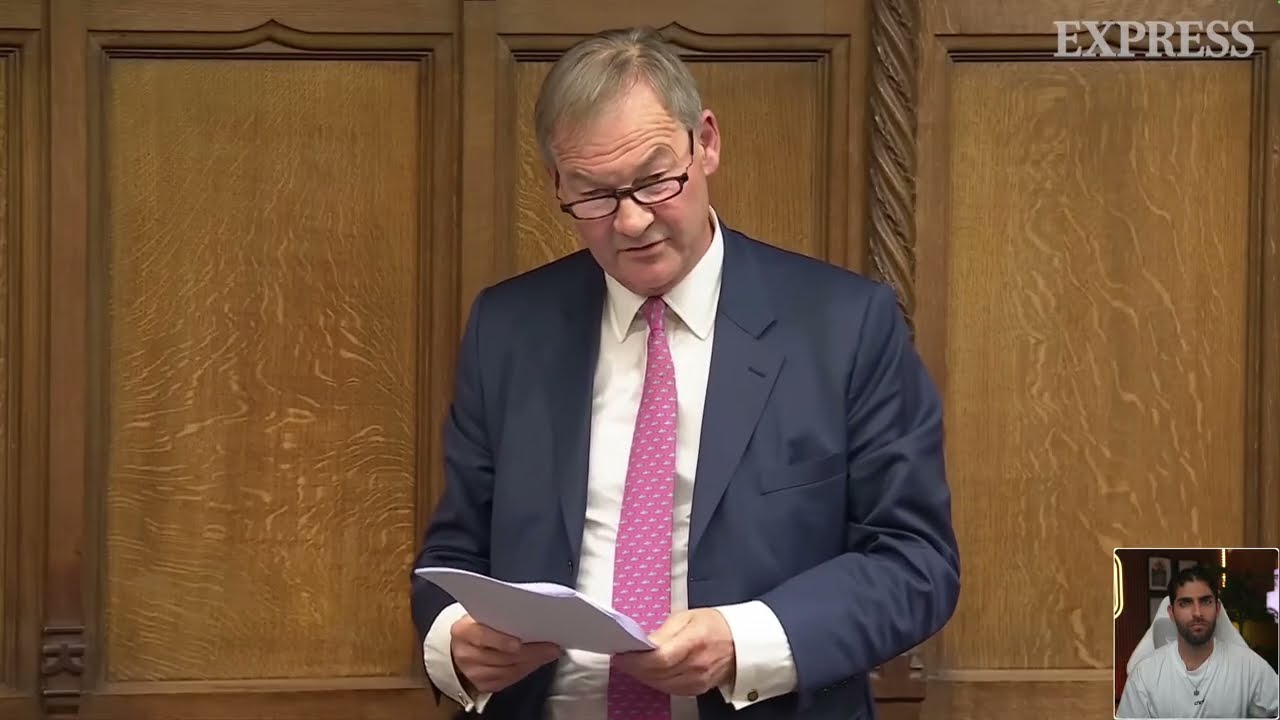
The low attendance during the debate was noted by several participants as symptomatic of a broader lack of engagement by parts of the political class with domestic security concerns. This perception has contributed to growing frustration among sections of the electorate who feel their day-to-day safety is not prioritised.
Looking ahead, Lowe indicated he would pursue the matter further, including through formal channels such as the Procedure Committee, to improve the quality and reliability of answers provided to Parliament. He also committed to continuing his campaign for greater openness on immigration-related data.
The issues raised touch on fundamental questions of governance: how effectively the state tracks individuals who enter its systems, how transparently it communicates risks to the public, and how decisively it acts to protect citizens when those systems show strain.
Britain’s immigration framework has evolved over decades, balancing humanitarian responsibilities, economic needs and security considerations. Recent years have seen heightened debate over whether this balance has tilted too far in one direction, with visible impacts on housing, public services and community relations in many towns and cities.
The figures highlighted by Lowe, if accurate, add weight to arguments that current arrangements are failing to deliver either control or confidence. Whether through improved technology, increased resources for enforcement or policy changes to speed up removals, addressing the gaps in tracking and accountability appears likely to remain a priority for policymakers and the public alike.
The debate serves as a reminder that behind statistics lie real communities and real individuals whose daily lives are shaped by decisions taken in Westminster. Continued scrutiny and demands for accurate information reflect a public expectation that government must be both effective and honest in managing one of the most sensitive areas of national policy.
As the discussion continues inside and outside Parliament, the core challenge remains finding practical ways to restore confidence that borders are managed, serious offenders are removed and the safety of residents is placed at the centre of immigration policy.