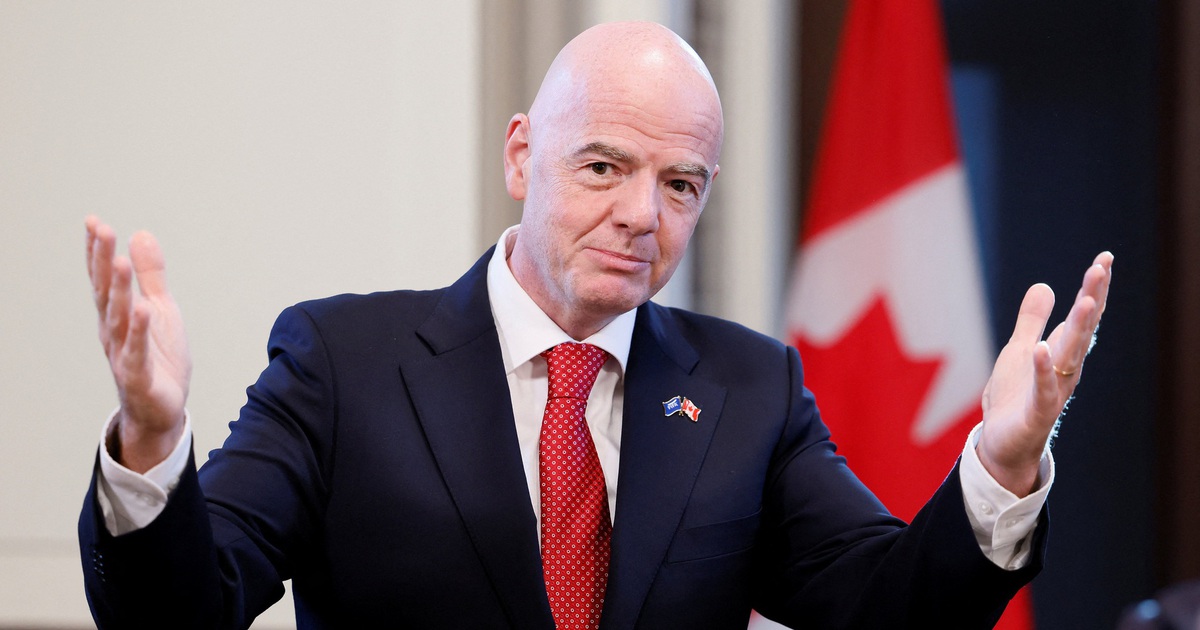
NEW YORK — As the 2026 FIFA World Cup prepares to kick off across the United States, Canada and Mexico, concerns over declining international tourism, visa delays and soaring ticket prices have overshadowed the tournament’s promise as a showcase for North American unity and global appeal.
International visitor numbers to the United States dropped sharply in 2025, with roughly four million fewer arrivals compared with the previous year. Canadian travelers accounted for a significant portion of that decline, as longstanding cross-border visits fell markedly amid trade tensions and shifting perceptions.
The downturn has raised questions about whether the World Cup — co-hosted by three nations and expanded to 48 teams — will deliver the anticipated economic boost to American host cities. Early indicators, including softer hotel bookings in some venues, have tempered expectations.
Canada, traditionally the largest source of international visitors to the United States, saw visits plunge by more than 20 percent in 2025. Analysts have pointed to a combination of economic factors, political rhetoric and tighter border policies as contributing elements.
Visa processing issues have also drawn attention. South Africa’s national team experienced delays securing necessary travel documents, forcing a rescheduling of its departure and leaving some staff behind. Similar complications have affected preparations for other participating nations.
While such logistical challenges are not uncommon for large-scale international events, critics argue that stricter U.S. immigration measures have amplified difficulties for teams and fans from certain countries. Supporters of tighter controls cite security and public health priorities.
Ticket prices have added another layer of controversy. FIFA has employed variable pricing strategies, with costs fluctuating based on demand, match importance and seating categories. Some premium tickets for later stages have reached thousands of dollars, prompting complaints that the tournament is becoming inaccessible to ordinary fans.
FIFA officials maintain that pricing reflects market realities and helps fund development programs worldwide. Organizers point to strong overall ticket sales and the tournament’s record scale as evidence of enduring global interest.
The World Cup’s co-hosting arrangement was intended to distribute benefits across North America. Games will be played in 11 U.S. cities, alongside venues in Canada and Mexico, creating a multinational footprint designed to maximize reach.
Yet the broader tourism context has complicated preparations. U.S. destinations reliant on international visitors reported weaker demand throughout 2025, with ripple effects on hospitality, retail and transportation sectors in host regions.
Canadian fans, who frequently travel to U.S. sporting events, appear to be opting for domestic or other international alternatives in greater numbers. Cross-border travel data showed sustained declines even as the tournament approached.
Political tensions have played a role in public discourse. Some international observers and advocacy groups have issued travel advisories citing policy shifts, while others emphasize that the United States remains a premier destination with robust security for major events.
Economic analysts estimate the potential losses from reduced tourism in the billions of dollars. The shortfall comes at a time when host cities had hoped the World Cup would provide a major post-pandemic stimulus.
Proponents of current policies argue that enhanced vetting and border measures protect American interests and that any short-term dips will be offset by long-term gains in controlled migration and trade fairness.
On the pitch, excitement remains high. The expanded format offers more matches and opportunities for emerging nations. Star players and national teams continue to draw global audiences despite off-field debates.
FIFA and local organizing committees have worked to address concerns, expanding fan zones, improving transportation links and coordinating with governments on visa facilitation for accredited participants.
Still, the narrative leading into the tournament has been shaped as much by external factors as by the sport itself. Discussions about accessibility, costs and the visitor experience have competed with anticipation for on-field drama.
The co-hosting model itself represents an experiment in regional collaboration. Success could strengthen North American ties, while shortcomings might fuel criticism of fragmented planning and policy impacts.
For American businesses in host cities, the coming weeks will be telling. Hotel occupancy, restaurant traffic and merchandise sales will offer real-time measures of the tournament’s local economic footprint.
Broader questions linger about the legacy. Will visitors remember the football, the atmosphere and the cultural exchange — or the barriers, real or perceived, that shaped their journeys?
As the first match approaches, organizers remain optimistic that the event’s scale and spectacle will ultimately prevail. The World Cup has historically overcome pre-tournament skepticism to deliver lasting memories.
Yet in an era of heightened geopolitical sensitivities and economic pressures, this edition faces unique tests. Its ability to transcend politics and deliver joy on a global stage may define its place in sporting history.