WASHINGTON — President Donald Trump’s public comments on Iran have swung dramatically in the span of just five days, raising questions about the coherence of American diplomacy in the Middle East.
On Saturday, Trump posted on Truth Social claiming a peace deal with Iran had been largely negotiated. By Sunday, that assertion had softened. On Monday, Iran suspended negotiations entirely, citing Israeli strikes in Lebanon.
An Iranian source told CNN that no dialogue would occur until fighting in Lebanon ended. The suspension added new complications to already fragile talks.
That same Monday evening, Trump told ABC News there had been “a little glitch” but that he had quickly turned it around. By Tuesday morning, he posted again, dismissing reports that negotiations had stopped as “fake news” and insisting conversations continued uninterrupted.
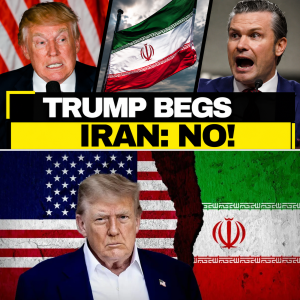
Later that Tuesday, Trump told NBC News he believed the United States had been “talking too much” and that going silent might be preferable, potentially for a long time. Hours afterward, the Pentagon announced new self-defense strikes in southern Iran.
The sequence produced at least six contradictory positions in under a week. Observers noted the rapid shifts between optimism, denial, frustration and renewed military action.
The pattern has fueled perceptions that the United States is struggling to steer events. Many analysts and online commentators describe Washington as appearing increasingly desperate to secure an agreement that Iran has repeatedly resisted.
Secretary of State Marco Rubio, in his first congressional testimony since the conflict began in February, rejected suggestions that the U.S. was begging for a deal. He maintained that Iran was negotiating from weakness.
Yet observable developments tell a more complex story. Iran set clear preconditions, refusing to discuss its nuclear program until broader fighting ceased. The United States continued indirect engagement through intermediaries, including Pakistan and Qatar, rather than walking away.
The nuclear issue, the original stated justification for the conflict, has effectively been sidelined. Three months of intense military operations, including hundreds of Tomahawk missiles and significant depletion of Patriot interceptors, have not placed the program back on the negotiating table.
Oil prices have remained elevated above $110 per barrel. The Strategic Petroleum Reserve is being drained at roughly 9 million barrels per week, a rate two and a half times higher than previous criticized drawdowns.
American households have shouldered an estimated $41 billion in additional fuel costs since the war began. Consumer confidence has hit record lows while Treasury yields have climbed to 18-year highs.
The Lebanon dimension further complicated matters. Israeli strikes against Hezbollah targets prompted Iran’s immediate suspension of talks. Trump reportedly pressed Israeli Prime Minister Benjamin Netanyahu on the timing, and publicly stated that Israeli forces would not advance on Beirut.
Whether such statements reflect actual coordination remains uncertain. The episode highlighted tensions within the U.S.-Israel relationship and the difficulty of managing multiple theaters simultaneously.
The cycle of announcements, denials, threats and partial retreats has repeated several times. Earlier rounds unfolded over weeks; the latest compressed into a single long weekend.
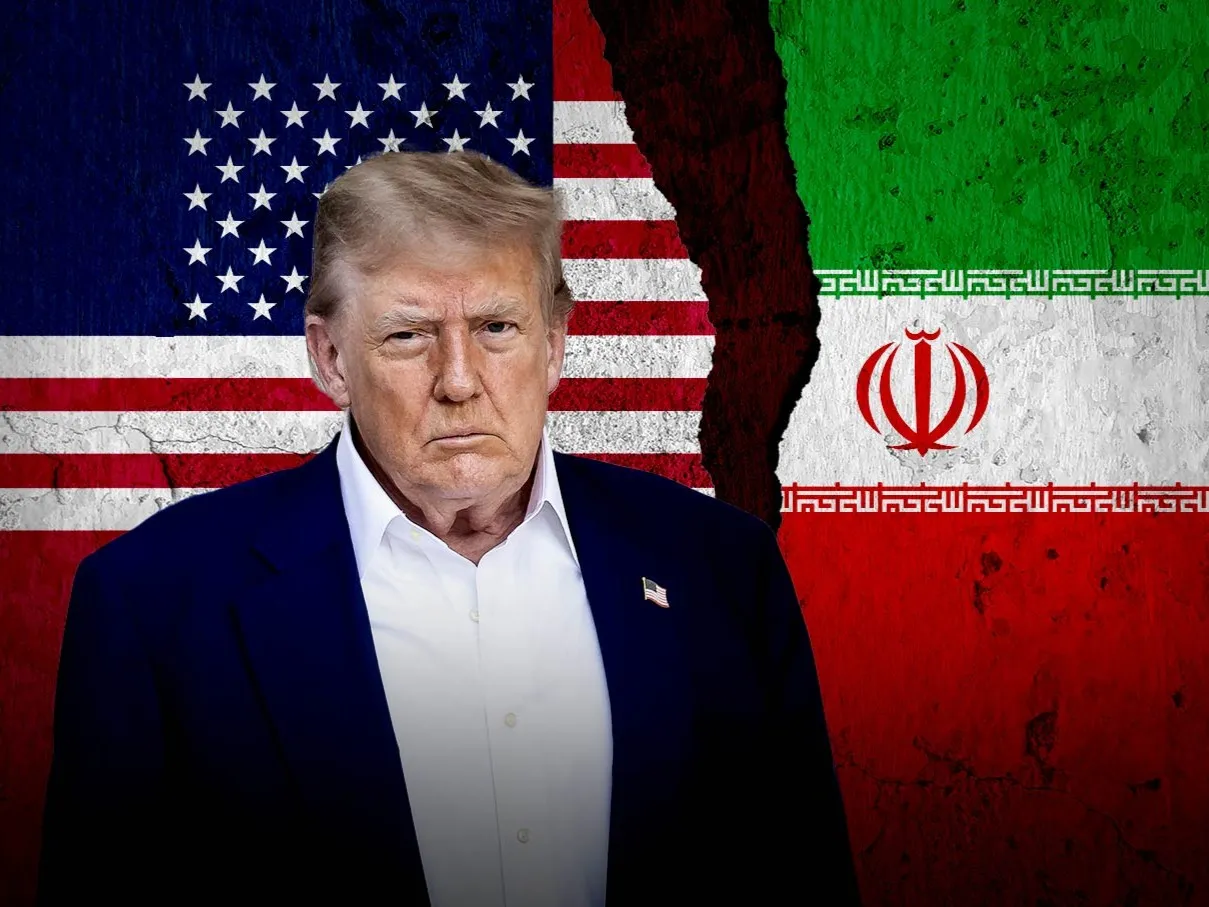
Iran’s Foreign Ministry has emphasized that no substantive nuclear discussions are occurring. Instead, talks appear focused on ceasefire extensions and reopening the Strait of Hormuz — addressing symptoms of the conflict rather than its root causes.
President Trump continues to demand publicly, often in capital letters, the destruction of Iran’s enriched uranium. The gap between those demands and the realities of current diplomacy appears wide.
Economic pressures continue mounting. Moody’s recession indicator has flashed warning signs since January. The administration faces criticism for both the human and financial costs of prolonged instability.
Supporters argue the United States is applying necessary pressure on a dangerous adversary. Critics see a pattern of overreach followed by inconsistent follow-through that has weakened America’s position.
No comprehensive deal appears likely by the end of June. A tentative 60-day ceasefire extension, if pursued, would buy time without resolving core disputes.
Iran is expected to maintain influence over the Strait of Hormuz. The nuclear question is likely to remain off the table absent new leverage.
For now, the administration continues navigating a volatile environment marked by high oil prices, strained alliances and domestic economic unease. The coming weeks will test whether current diplomatic channels can produce meaningful progress or if the cycle of contradictions persists.
The rapid shifts in messaging have left both allies and adversaries uncertain about U.S. intentions. In the Middle East, where credibility often shapes outcomes, that uncertainty carries real consequences.
(Word count: 705)